Latest Fruit Industry Insights and Technical News
Stay updated with the latest innovations in fruit processing technology, industry trends, and company updates.
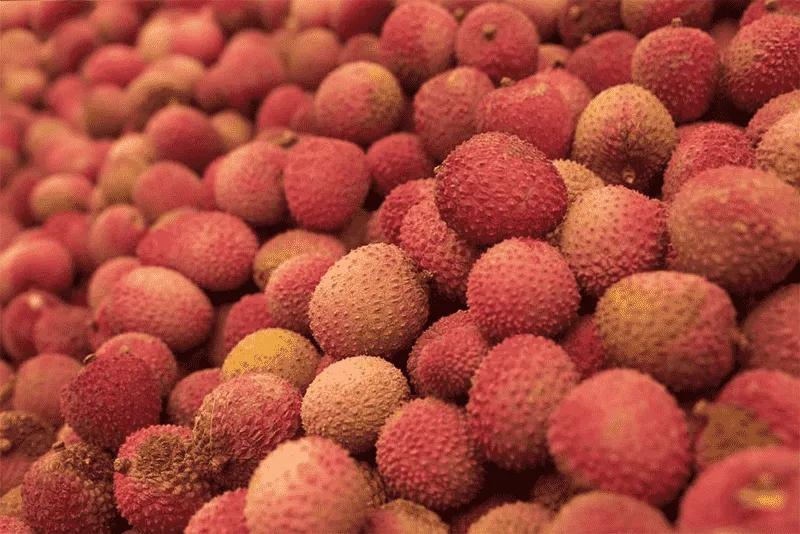
How lychee are harvest and processed in China
This year, “GUIHUAXIANG”Lychee went on the market at the end of March. These lychees are mainly planted in Hainan province China, which is also the main producing area of lychee in China. The harvest season has not yet begun in other production areas across China and the market supply is less than 10%. In this way, lychee can be sold at a high price at the end of March.
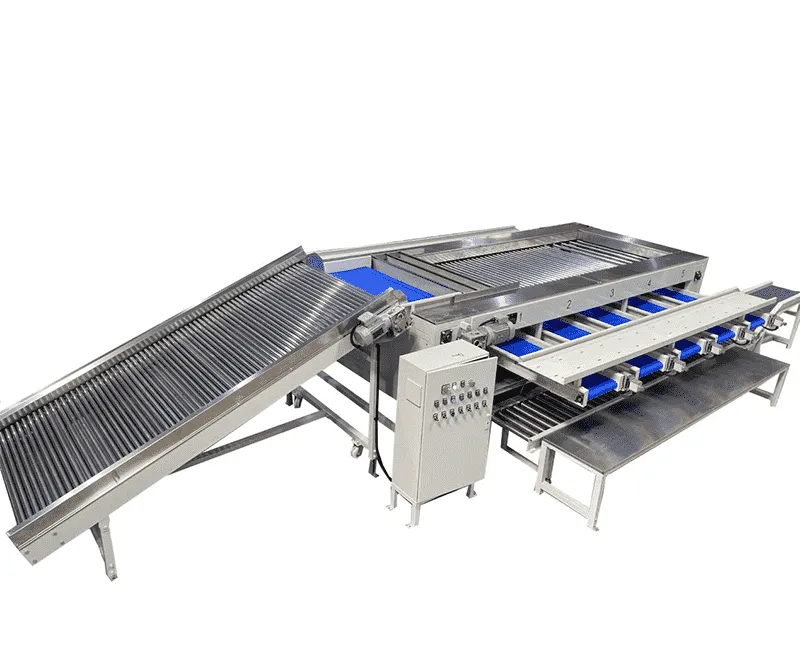
Thai Customer Chooses Affordable Lychee Grading Machine to Enhance Efficiency
FstSort, a leader in the agricultural machinery industry, is proud to announce the successful purchase of its cost-effective lychee grading machine by a prominent Thai fruit producer. This highlights the growing demand for affordable yet efficient sorting solutions in the agricultural sector, offering significant improvements in sorting quality and operational efficiency.
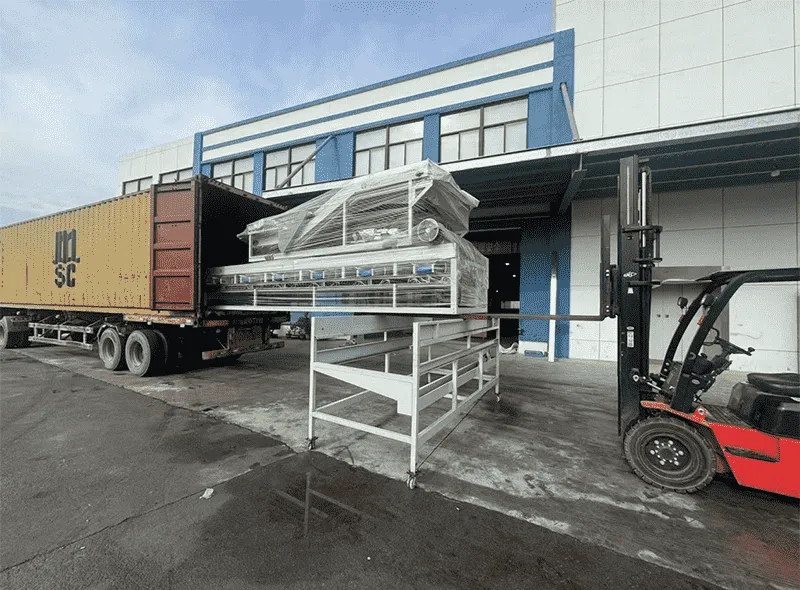
FstSort ingresa por primera vez al mercado argentino
FstSort exportó con éxito dos clasificadoras de ajo a Argentina, lo que marca la primera entrada de la empresa en el mercado argentino y expande aún más su presencia comercial en América Latina. Durante el mismo período, FstSort también entregó máquinas clasificadoras de arándanos a Croacia y Colombia, y exportó una línea de clasificación de mangos a la India. Recientemente, es la temporada alta de envíos para FstSort.
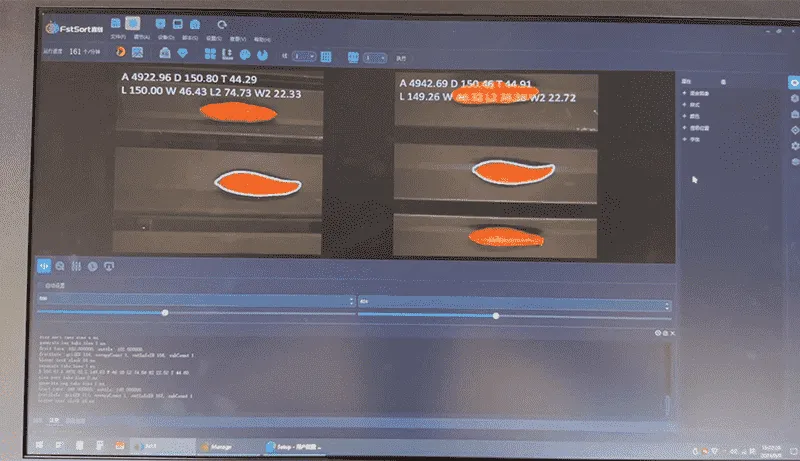
Revolutionizing Sweet Potato Processing: Precision Sorting Meets Efficiency
The post-harvest handling of sweet potatoes presents critical challenges for producers worldwide. Surface defects, cracks, and inconsistent sizing not only compromise product quality but also lead to accelerated spoilage during storage and transportation. Traditional manual sorting methods are labor-intensive, prone to human error, and struggle to maintain uniformity—issues that directly impact profitability and market reputation. Enter Fstsort’s advanced optical sorting technology, designed to address these pain points with intelligent automation.
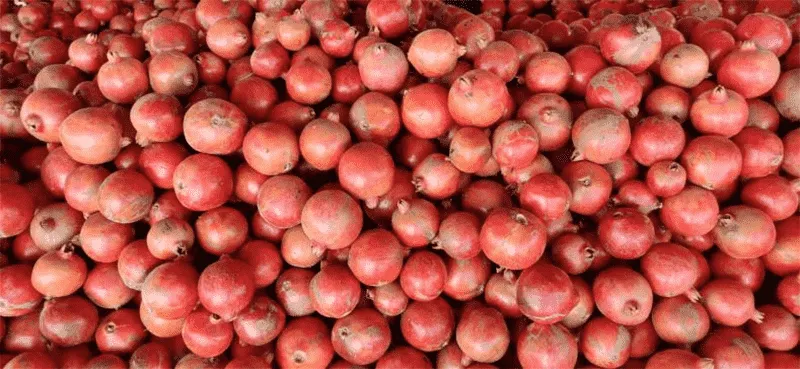
Pomegranate Sorting Machine
This size range of pomegranate is from 75mm-100mm. Our cup is suitable for pomegranates in India. Our sorting system can sort pomegranate to different grades by diameter, color, external defects and weight. What is more, our machine can also be used to sort mangoes.
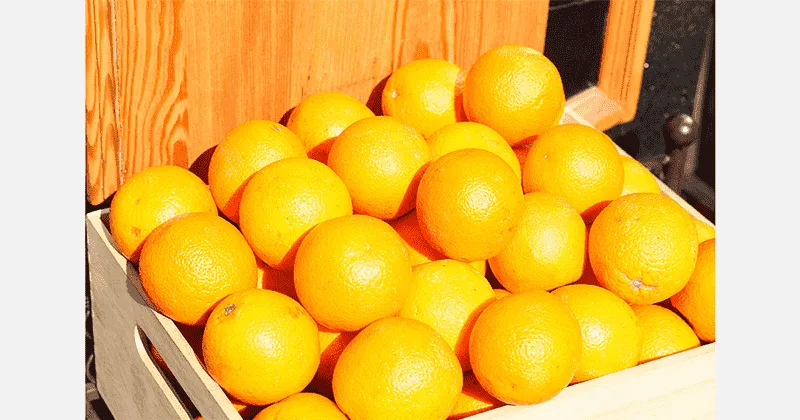
Fstsort Empowers Morocco’s Citrus Excellence with Advanced Sorting Solutions
Morocco’s citrus quality stems from its strategic focus on sustainable farming and precision agriculture. The adoption of drip irrigation and climate-smart practices ensures optimal fruit growth, while strict EU export standards push producers to prioritize uniformity and blemish-free grading. However, challenges like pest management and post-harvest efficiency persist. This is where Fstsort come into play. Designed to handle high-volume sorting, our machines excel in washing, waxing, and precision grading, ensuring each citrus meets international size, color, and quality benchmarks. By integrating sorting, Fstsort reduces waste and enhances Morocco’s competitiveness in premium markets.
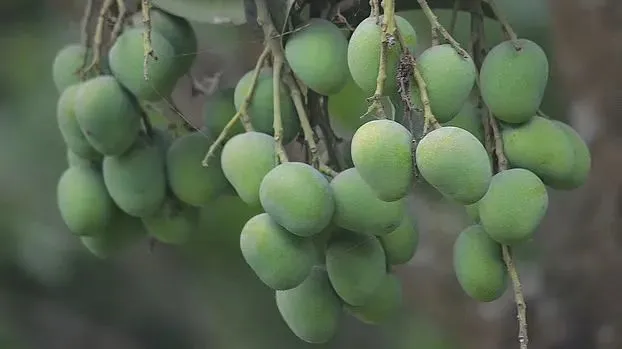
Bangladesh Mango Expected to Start Exporting to China in Summer 2026
According to the latest announcement from the Ministry of Commerce of Bangladesh, the country’s mangoes are expected to officially begin exporting to China in the summer of 2026. Since July 2024, Bangladesh mangoes have received approval from the General Administration of Customs of China for entry into the Chinese market. The announcement states that mangoes exported to China must undergo steam heat treatment or hot water treatment before export to meet Chinese safety and quality standards. Specifically, the steam heat treatment requires the core temperature of the fruit to reach 46.5°C (with a minimum relative humidity of 95%) for 10 minutes. For hot water treatment, the mangoes must be fully submerged in water, with the core temperature reaching 46°C or higher, for 15 minutes, and the water temperature must not be lower than 48°C.
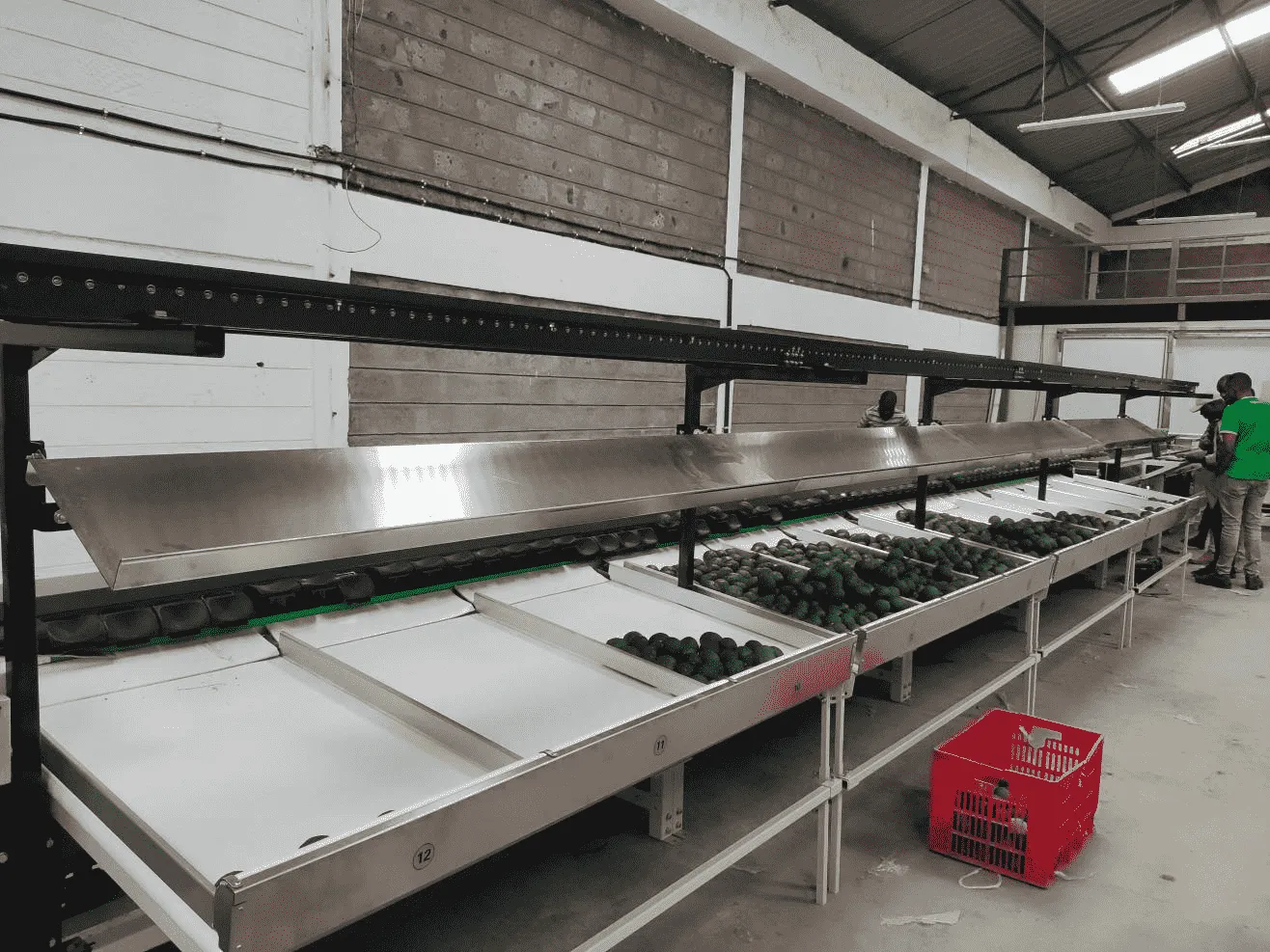
Las máquinas aumentan el valor comercial de los aguacates
La clasificación óptica del aguacate se ha convertido en una solución esencial para los productores que buscan eficiencia, precisión y calidad en el procesamiento postcosecha. En FstSort, hemos desarrollado un sistema avanzado de clasificación que combina tecnología de visión artificial de alta resolución con algoritmos inteligentes para detectar con precisión la calidad externa y el color de cada aguacate. Nuestro equipo es capaz de identificar defectos visibles como manchas, magulladuras, cicatrices o daños en la piel, asegurando que solo los frutos que cumplen con los estándares de calidad lleguen al mercado. Además, el sistema analiza el color de la cáscara con gran sensibilidad, lo que permite clasificar los aguacates según su grado de maduración y tonalidad, adaptándose a las diferentes necesidades comerciales y preferencias de los consumidores.