
Latest Fruit Processing Industry News
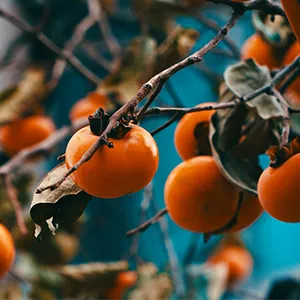
Two Methods of Persimmon Sorting
Persimmons are highly valued for their brown flesh, smooth texture, and rich vitamin A, vitamin C, and dietary fiber. They are widely grown in countries such as Spain, Italy, and Israel. To ensure their quality and market value, the sorting process is crucial. Currently, the industry mainly uses two basic sorting methods: weight sorting (based on physical characteristics) and optical sorting (using advanced imaging technology).
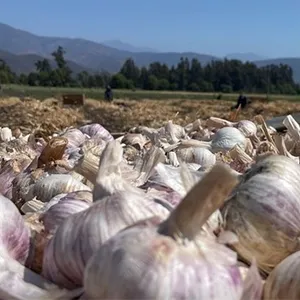
How FstSort Can Make Spanish Garlic a Difference
At present, the Spanish garlic harvest is underway in full swing. Overall, favorable weather conditions have contributed to a high-quality production. Nevertheless, on a commercial front, sales in European markets have been sluggish due to intense competition from cheap Chinese garlic, which has exerted significant pressure on the market.
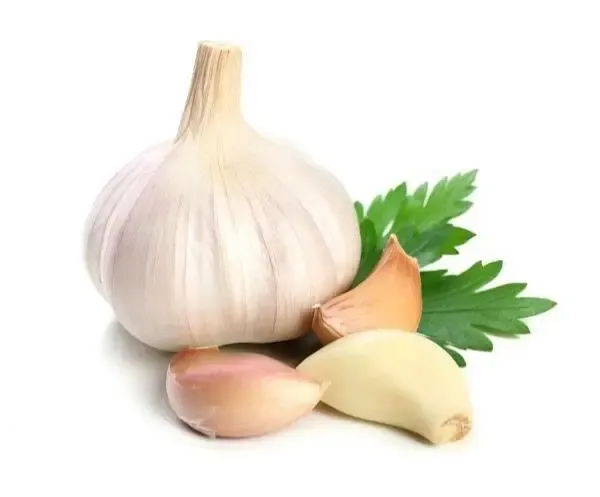
Six key steps for pre shipment handling of garlic
Garlic passes through six steps before it reaches international buyers: cleaning, drying, peeling, grading, disinfection, and packaging. Each step matters—but one step determines whether your garlic sells at a premium or gets discounted at the dock. Here's why grading is the step that makes all the difference.

What is the Fstsort manager doing on a business trip
Our business managers, Jason and Tony, departed for Brisbane, Australia on June 2nd to prepare for the official exhibition held from June 4th to 6th. During the event, they not only engaged with numerous local clients—addressing inquiries about fruit/vegetable grading machinery and other processing equipment—but also conducted technical exchanges with industry peers. This collaboration advances our shared goal of delivering maximum value to customers through innovation.
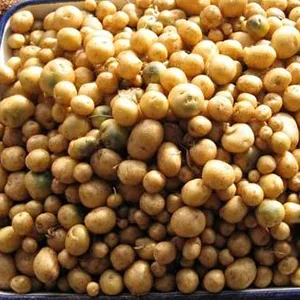
2 Significant Benefits of Using a Seed Counter for Farmers
Precise seed counting eliminates costly guesswork, optimizes planting density, and cuts labor costs by 60%. An automated counter processes hours of manual work in 10 minutes—saving 150+ labor hours per season on a 50-acre farm. Pair with a potato sorter for end-to-end efficiency.
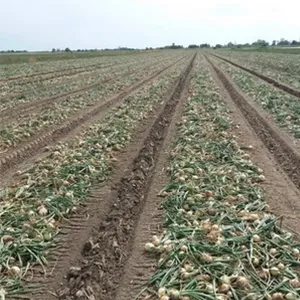
Halved Onion Yields, Strong Market Season Anticipated
The 2024 export season for Italian 'Bella Italia' onions launched in calendar week 22, though yields are half of normal volumes with predominantly small-sized onions. "Large 70+ onions are scarce, but quality remains good," reports Daniel Voll of Germany's Vau-Ge GmbH, a 30-year specialist in Italian onions.
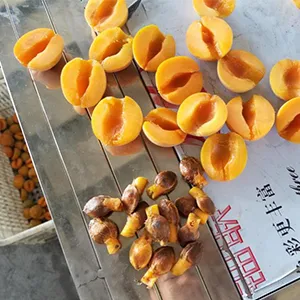
Introducing the Advanced Cherry Pitter: Precision Core Removal for Stone Fruits
Efficiently processing delicate stone fruits like cherries, plums, apricots, and olives is now effortless with our state-of-the-art fruit pitting machines. Designed to handle high volumes with exceptional precision, these robust systems gently remove pits while preserving the integrity, shape, and texture of the fruit. Ideal for fresh markets, canneries, and value-added processing (jams, dried fruits, brined olives), the machinery ensures minimal flesh loss and avoids crushing or splitting. Customers consistently report enhanced product appearance, extended shelf life, and streamlined preparation for downstream processing such as freezing, canning, or confectionery production.
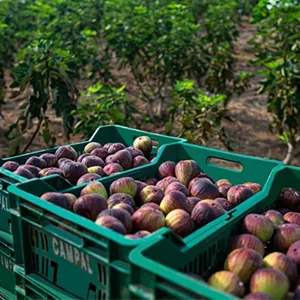
Weight sorting solution for Brazilian figs
Brazilian figs are renowned for their exceptional quality, characterized by a remarkably sweet flavor profile, delicate, velvety skin, and a soft, jam-like interior rich in fiber, vitamins, and minerals. These sun-ripened fruits typically exhibit a size range of approximately 3 to 8 centimeters in diameter, with common commercial sorting often focusing on diameter ranges like 30-40mm, 40-50mm, and 50+mm. Their high perishability and sensitivity to bruising demand careful post-harvest handling to preserve their premium texture and taste for discerning global markets.