
Latest Fruit Processing Industry News
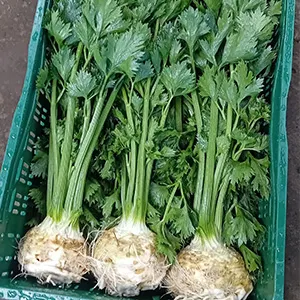
Cleaning Celery Roots: The Drum Washing Method
Celery roots (also called celeriac) are bumpy and often covered in stubborn dirt, making them tricky to clean by hand. That’s where rotary brush cleaners come in—a simple yet smart solution used in food processing. The whole process is gentle and efficient, saving 70% water compared to manual washing. Made of food-grade stainless steel, these machines are easy to maintain and ideal for small farms or large factories alike. Best of all, they preserve the root’s texture and nutrients—no more torn skin or wasted flesh!
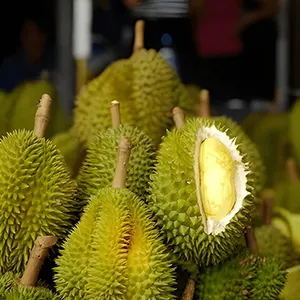
Sorting Durians: The Belt Grading System Made Simple
For durian processing, the belt grading system offers a straightforward, efficient way to sort fruits by weight. Here’s how it works: Durians move along a conveyor belt fitted with multiple "weighing stations." Each station has a mechanical tray linked to adjustable counterweights. As a durian enters a tray, its weight tips the balance—heavier fruits trigger larger counterweight shifts. The process is gentle, using padded surfaces to prevent bruising. This system relies on lever-and-fulcrum mechanics, avoiding complex electronics, making it robust for rugged farm environments.
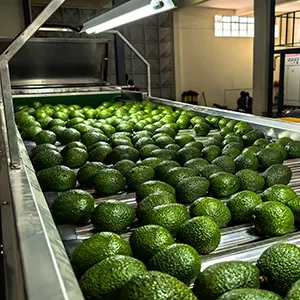
Zero-Tariff Policy Boosts Demand for Post-Harvest Equipment
China announced that it will implement a zero-tariff policy for 100% of tariff items on imports from 53 African countries with which it has diplomatic ties. This policy completely removes the last major tariff barrier, paving the way for large-scale entry of Africa's high-quality fruits and vegetables into the Chinese market.
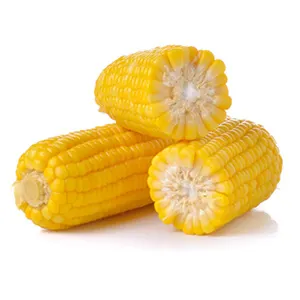
Rain-Delayed Sweet Corn Planting Ends in Higher-Than-Expected Yield
Spain's sweet corn harvest commenced in late May, coinciding with the rise in consumption of this product across Europe.
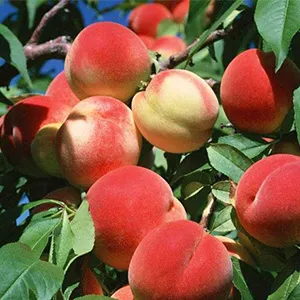
How Many Steps Are There in Peach Processing
Peach processing typically involves several key steps: harvesting, initial cleaning, grading (sorting), packaging, and distribution. Among these, grading is crucial for quality control and value enhancement. Two main technologies dominate this stage: rotary disc grading and weight grading.
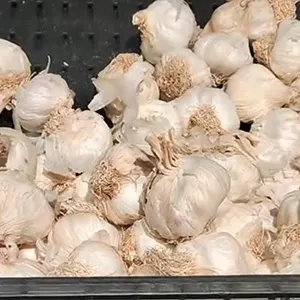
Garlic Market in Australia
Garlic in Australia is mainly imported from China and Spain, which mainly sells on some markets. Supermarket channels are dominated by imported garlic (price-sensitive consumption); local garlic is mainly sold through farmers' markets, high-end supermarkets (such as Woolworths). Some local garlic is supplied to restaurants directly.
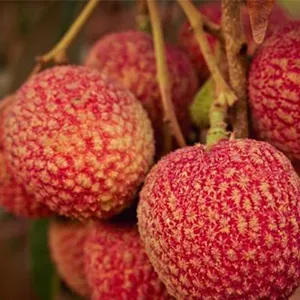
Seedless lychee from China export to Japan
The seedless lychees from Hainan, China, have pink skin and thick and juicy flesh, but there are also some very small seeds. Due to its high price, there is a big gap with the local price in Vietnam. Generally, it is exported to Japan. Litchi are easy to spoil, and seedless lychees are even more difficult to preserve. If they are not properly preserved, the skin will turn black after one day. The price of seedless litchi in Vietnam is much cheaper. They are mainly exported to the UK and Japan, but compared with Chinese lychees, the yield and quality are slightly lower.
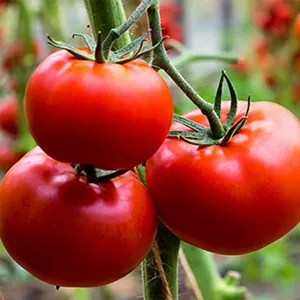
How AI Technology Processes Tomatoes
How AI-powered optical sorting machines process tomatoes by color, size, and defects. Learn about 1–4 lane configurations, 200 pcs/min per lane,12 images per fruit, and detectable defects like cracks, rot, and bacterial spot. Get quote.