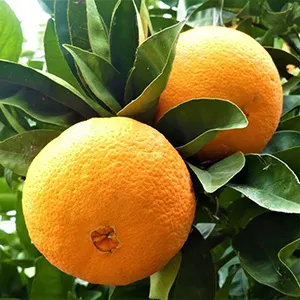
Recently, the domestic fruit and vegetable sorting industry is undergoing a profound transformation driven by cutting-edge technologies. Intelligent and digital sorting equipment has evolved from tools for improving efficiency to core engines reshaping the industry's value chain. Traditional fruit and vegetable sorting primarily relies on size, weight, and color and defects under visible light. Today, the integrated application of technologies such as AI visual recognition, near-infrared spectroscopy, and 360° optical imaging has given sorting lines "see-through" capabilities.
Jiangxi's Gannan navel oranges, through the introduction of sorting lines equipped with spectral scanning non-destructive testing technology, can analyze and grade the sugar and acidity of each orange in real time. This not only achieves precise market stratification and supply but also allows consumers to clearly understand the product's journey. This series of technological empowerments has helped continuously enhance the brand value of "Gannan Navel Oranges" and significantly extended their post-harvest shelf life.
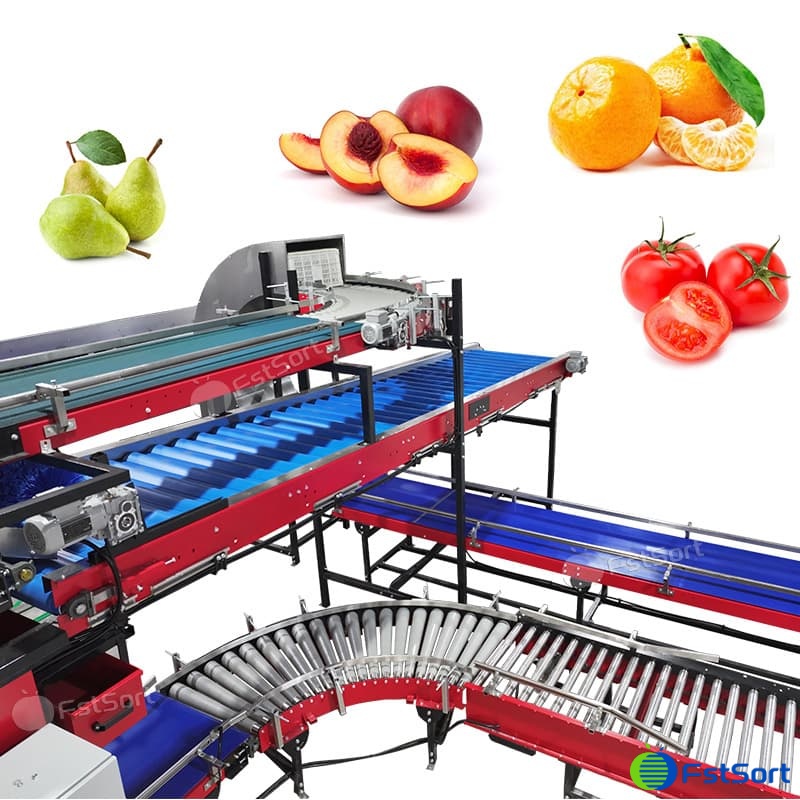
Sichuan's Meishan (Little Golden Apple), as a regional distribution center, has built an intelligent sorting center integrating functions such as washing, weight grading, and spiral grading, with a processing capacity of several tons per hour. Through standardized sorting, the market price of high-quality apples in the region has increased by more than 30%, making intelligent sorting a key factor in increasing the income of local fruit farmers.
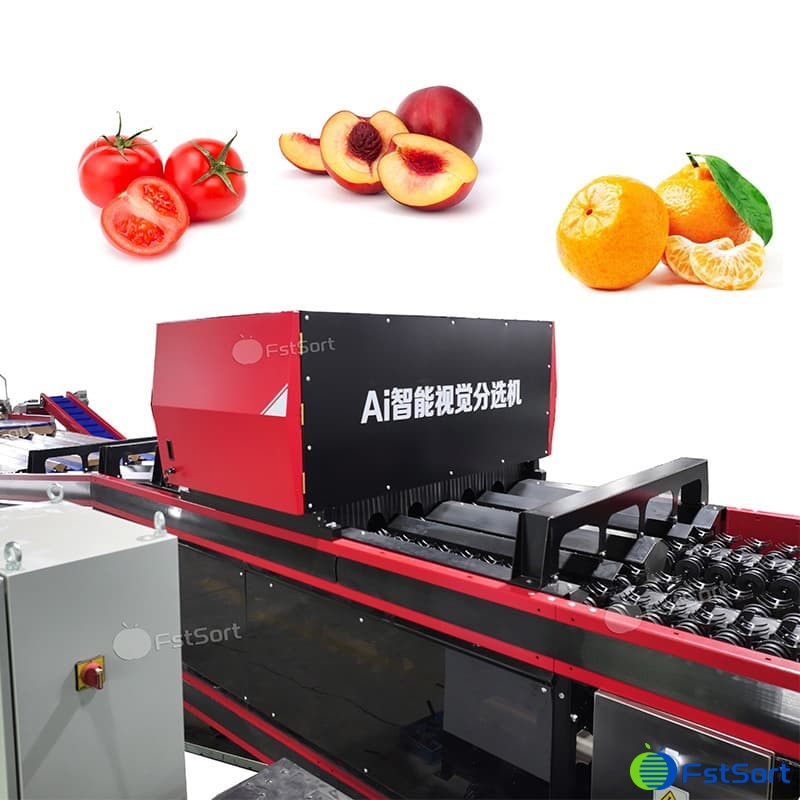
Analysis indicates that with technological advancements, cost reductions, and upgraded market demand, intelligent sorting will no longer be exclusive to large enterprises. It is expected to accelerate its penetration into small and medium-sized production areas and more fruit and vegetable categories in the coming years, becoming a fundamental force in reshaping the competitiveness of China's fruit and vegetable industry.
Author:Fstsort Yolanda