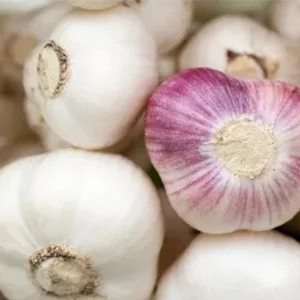
According to customs data, from January to October 2020, China’s total exports of fresh or refrigerated garlic are approximately 1,276,000 tons, an increase of approximately 421,900 tons compared with 1,305,700 tons in the same period last year, an increase of approximately 32.31% year-on-year. The export volume of fresh or refrigerated garlic in October 2020 reached approximately 154,100 tons, an increase of approximately 14.50% year-on-year compared with the export volume of 134,600 tons in the same period last year.
Entering November, foreign markets stock up for Christmas, and orders increased, but this did not have much impact on domestic garlic prices, and only low-end sources of goods rose slightly. Over the years, this stage is likely to cause garlic price fluctuations. This year, foreign orders arrived as scheduled, the garlic market began to increase, and the price of Indonesian garlic and other hot demand sources rose slightly. Over the years, there has been a habit of stocking in foreign markets on Christmas Eve, and Indonesian demand has increased, which has driven the supply of low-priced goods upward. In addition, due to the epidemic this year, there is a general shortage of workers in foreign ports to unload. There is also a major problem in the supply of containers, because the number of exported containers is 3.5 times that of imported containers. In addition, the exchange rate of the RMB against the US dollar has continued to deteriorate. In the EU, there is still a quota issue-garlic outside the EU needs export quotas, and there has been a shortage of quotas, which has also suppressed garlic demand to a certain extent.
However, garlic is still on the rise in foreign markets, especially in Europe. This year, the Spanish harvest has been greatly affected by the weather, resulting in a substantial reduction of about 45%. In terms of demand, there has been significant growth, especially in North America, where demand in Canada has even doubled, and demand in the United States has increased by as much as 70%. The increase in garlic production in China has reached 20-25%, which is more competitive than Chile, Argentina, and Mexico, whose prices are rising rapidly. Therefore, despite the shortage of refrigerated containers in the next few months, the export prospects will continue to be promising.