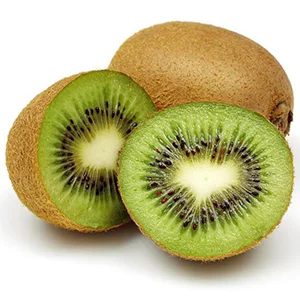
Kiwi fruit is a typical respiration type fruit. Fresh fruit cannot be eaten immediately after picking. It needs to be ripened and softened afterwards, so that starch can be decomposed into sugar and acid to meet the edible requirements. This is why consumers need to leave it for a period of time to eat after purchase. With the expansion of the fresh food market and the changes in consumption and eating habits, it is becoming less and less acceptable to consumers to buy it when it is ripe. Instant kiwi has become a new market demand.
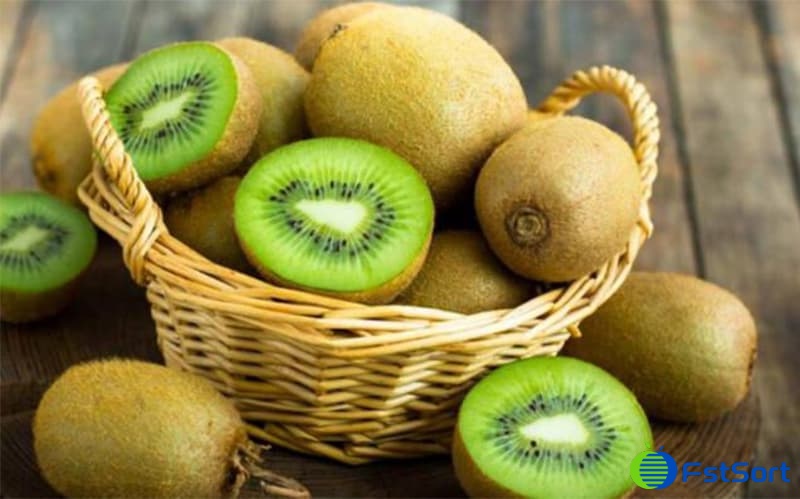
Instant kiwi fruit is based on the physiological characteristics of kiwi fruit after harvest, through a series of dynamic adjustment of temperature, humidity and gas environment to promote the starch conversion of fruit, and delay the degradation of pectin, so that the fruit can maintain a certain hardness and shelf life under the premise of complete starch conversion and good taste.
The storage time of kiwi fruit that meets the requirements of "pick and eat" is destined to be shortened. Kiwis picked on time can be stored for several months at a temperature of 0-1°C, while fully ripened kiwis can be stored for 30 days. Most of the time, consumers are required to eat them as soon as possible. In addition, kiwis picked on time are more resistant to pressure, while soft-ripe kiwis are less resistant to pressure, and the risk of damage during transportation is greater, and the risk of damage may also increase with the transportation volume.
The pressure difference pre-cooling and ripening integrated device is based on the principle of aerodynamics to match the gas environment oxygen, carbon dioxide, ethylene, humidity and ozone sterilization detection and adjustment system, realizes digital setting and adjustment, and provides the best conditions for the ripening of kiwi fruit. The taste of the fruit is the best, and the edible window period of more than two weeks is maintained.