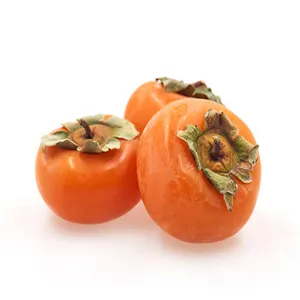
Persimmons originated in China. After long-term introduction and cultivation, they are now widely distributed in many countries and regions around the world, mainly concentrated in temperate and subtropical areas. Persimmons are rich in nutrients such as sucrose, glucose, fructose, protein, carotene, vitamin C, citrulline, iodine, and calcium.
.jpg?x-oss-process=image/auto-orient,1/watermark,image_aW1hZ2VzL3dhdGVyLWxvZ28ucG5nP3gtb3NzLXByb2Nlc3M9aW1hZ2UvcmVzaXplLFBfMjA,x_10,y_10)
The growth process of persimmons mainly includes budding, flowering, fruit enlargement, and ripening. Early-ripening varieties ripen from August to October, mid-ripening varieties mostly from September to October, and late-ripening varieties may ripen after November. Ripe persimmons have smooth skin, their color gradually changing from greenish-yellow to orange-red or dark red, with a soft texture and juicy, delicate flesh.
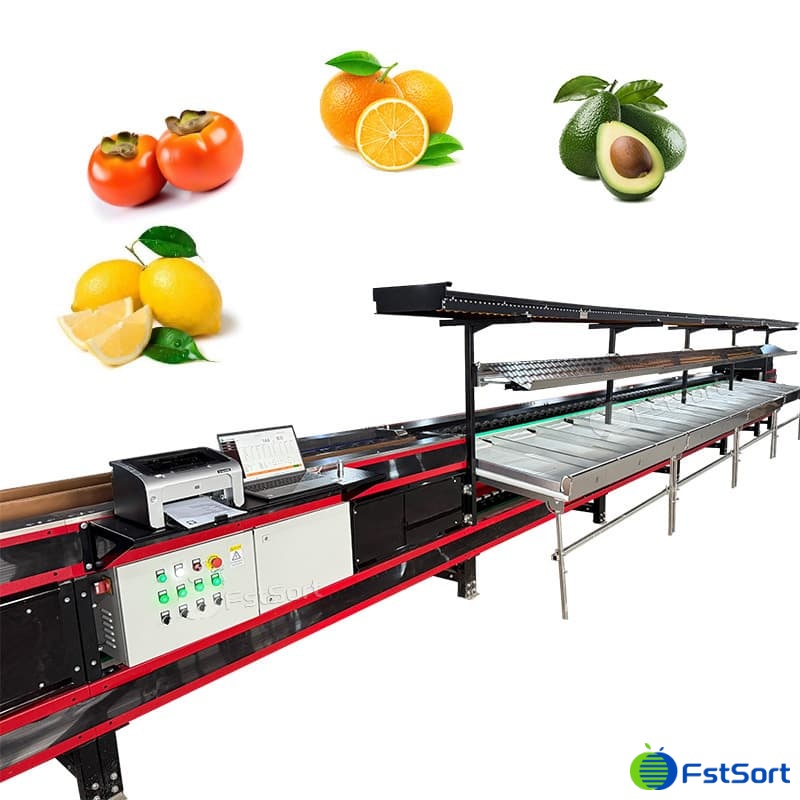
With advancements in science and technology reaching agricultural areas, persimmon processing technology is no exception. Besides deep-processing machines, many farmers choose to separately clean and sort persimmons. FstSort has shipped persimmon sorting machines to Chile, helping local farmers increase their income. The persimmon washing and sorting machine has three parts: pouring, washing, and sorting and packaging. It uses soft nylon brushes to pre-wash the surface of the persimmons, and then sorts them according to weight, making it convenient and aesthetically pleasing for workers to package them.
rel=0
Author:Fstsort Yolanda