
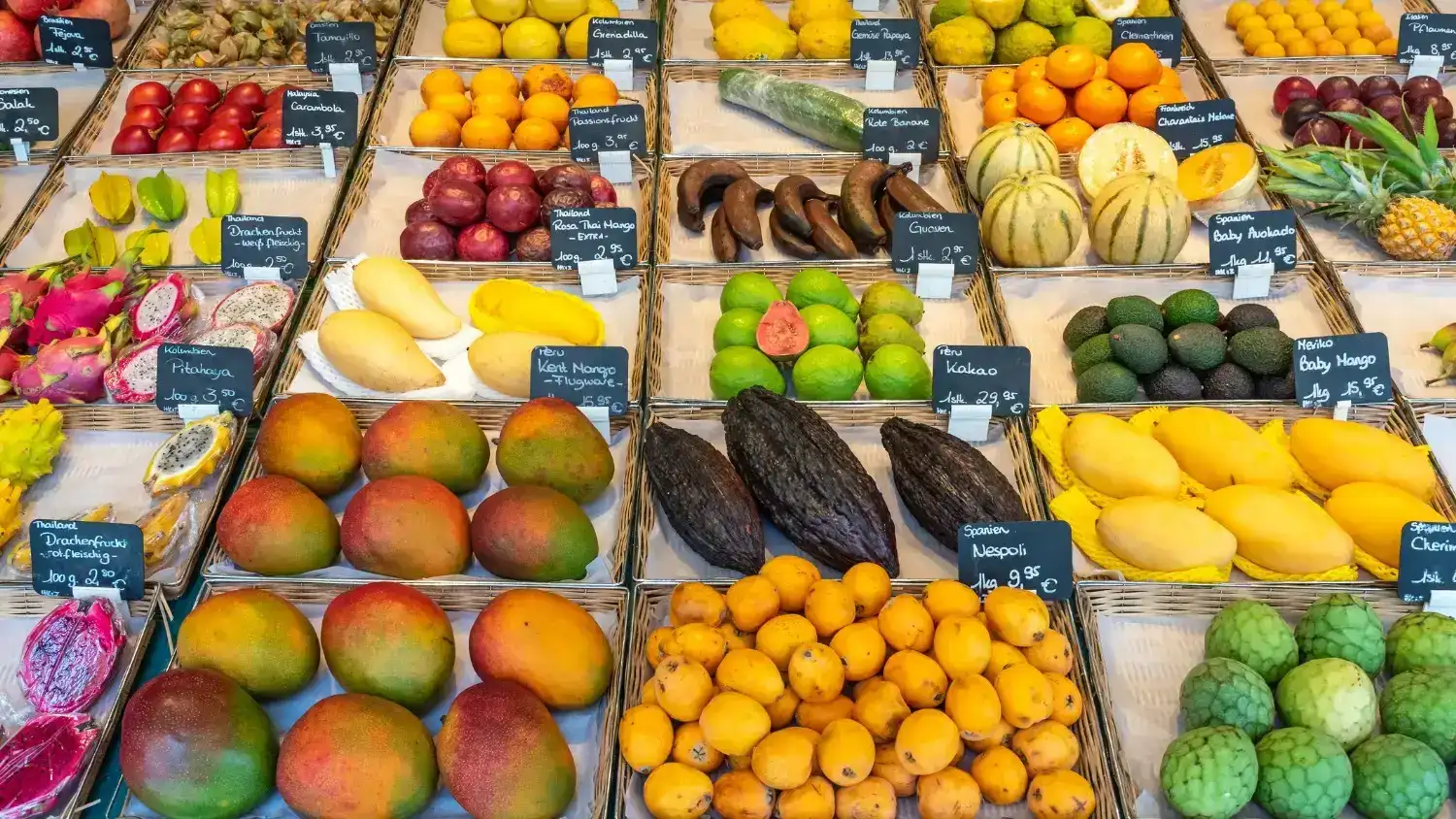
Consumers today expect more from their fruit—consistent size, uniform appearance, and reliable quality. Meeting those expectations starts at the packing line. Here's how modern sorting equipment turns a mixed harvest into market-ready grades.
The Problem with Manual Sorting
For decades, fruit packers have relied on manual sorting. Workers judge each fruit by sight and touch, separating by size, shape, and color. It's flexible—workers can handle different varieties on the same line. It's also gentle—human hands don't bruise fruit the way machines can.
But manual sorting has three fundamental problems:
· Subjective judgment — Different workers make different calls. Vision, color recognition, and external light all affect decisions. One worker's "large" is another worker's "medium".
· Inconsistent quality — Fatigue sets in after a few hours. Error rates climb. Fruit that should go to premium markets ends up in the wrong pack.
· High labor costs — Sorting tons of fruit by hand requires large crews. Labor is expensive and increasingly hard to find.
The result: inconsistent grades, rejected shipments, and revenue left on the table.
Two Ways to Sort: By Size or By Weight
Fstsort offers two sorting technologies—each designed for a different market need.
Roller Grader — Diameter Sorting for Standard Markets
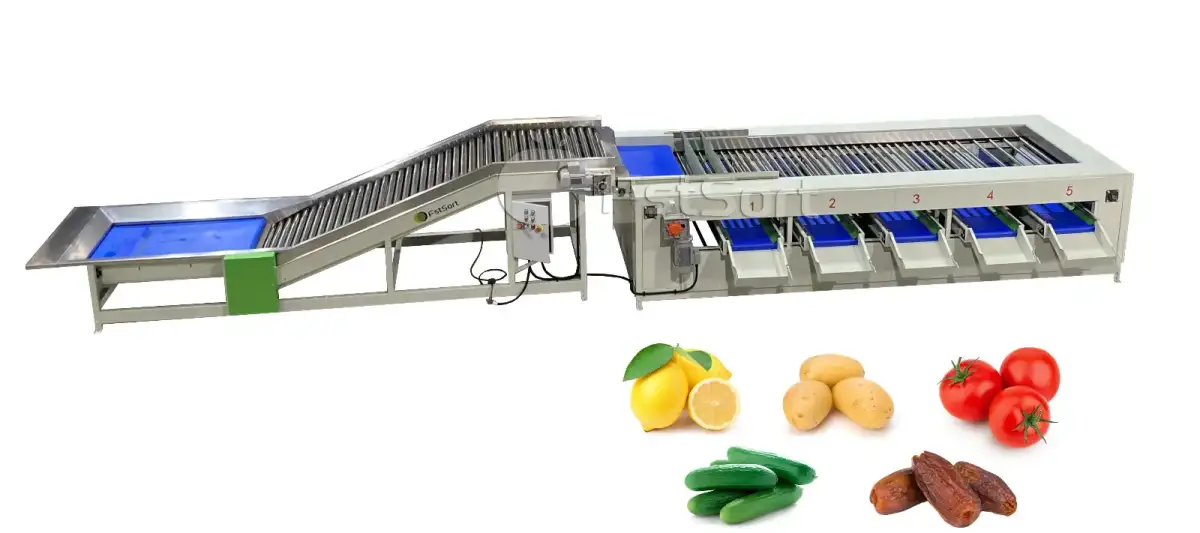
Different markets want different sizes. A supermarket might want medium oranges for retail packs. An export buyer might want large fruit for premium pricing. A juice processor might need smaller fruit.
The roller grader makes it possible to serve all of them from a single harvest. Fruit travels along forward-moving rollers with gaps that widen gradually. Smaller fruit drops through first. Medium fruit drops through next. The largest continues to the end. Each size exits through its own outlet—ready for its specific buyer.
It's the same basic technology that packing houses have relied on for decades—simple, reliable, and proven at scale.
What It Does | What You Get |
|---|---|
Separates by diameter | Four distinct size grades from one pass |
Runs at 6–10 tons per hour | Keeps up with commercial harvest volumes |
Uses food-grade rollers | No bruising, no skin damage |
Gaps are adjustable | Change grade sizes as your market shifts |
Handles round and oval fruit | Oranges, lemons, apples, cucumbers, dates, tomatoes, and more |
Electronic Weight Sorter — Precision Grading for Premium Markets
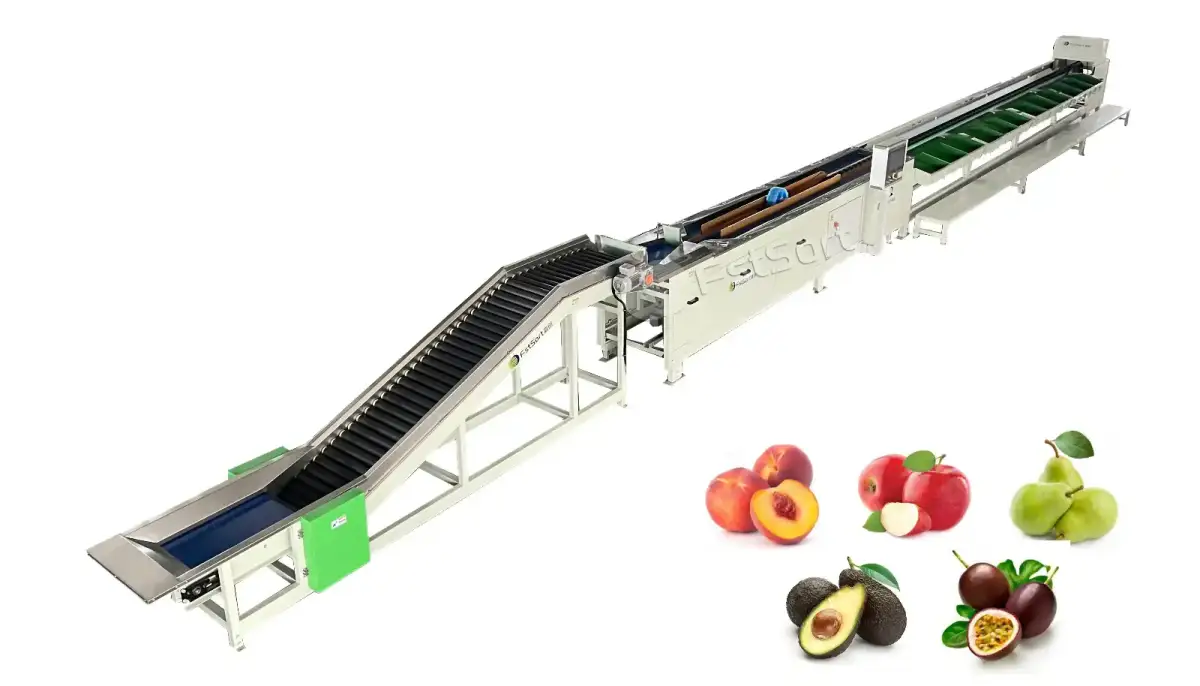
Here's something many packers don't realize: two oranges of the same diameter can have very different weights. A dense, juice-heavy orange weighs more than a lighter, pithier one of the same size. And when buyers pay by weight—not by width—diameter grading misses the point.
The weight sorter captures what the market actually values. Each fruit is weighed individually, then directed to the appropriate grade. Shape doesn't matter. Diameter doesn't matter. Only weight does.
What It Does | What You Get |
|---|---|
Weighs each fruit individually | Consistent weight grades—pack after pack |
High-precision sensors | Every fruit goes to the right grade |
Soft weighing cups | No rolling, no friction, no bruising |
Multiple grade exits | Fine grading for export specifications |
Tracks production data | Real-time visibility into each grade’s volume |
For packers supplying supermarkets or export markets, where weight consistency is non-negotiable, this is the difference between accepted shipments and rejected ones.
Which One Fits Your Fruit?
Consideration | Roller Grader | Weight Sorter |
|---|---|---|
Sorts by | Diameter | Weight |
Best for | Standard packing, local markets | Export, premium retail |
Investment | Lower | Higher |
Fruit protection | Food-grade rollers | Soft weighing cups |
The choice depends on one simple question: how does your buyer pay? If they pay by size, choose the roller grader. If they pay by weight, choose the weight sorter.
Built for Real Packing Houses
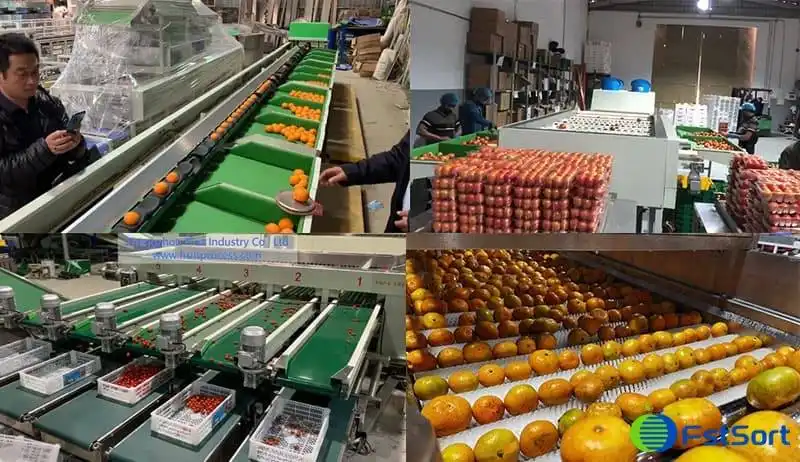
Fstsort sorting machines are designed with gentle handling as a priority—food-grade rollers, anti-collision devices, and soft weighing cups protect fruit from damage during sorting. The result: fruit that leaves the line in the same condition it entered.
Learn more on our fruit sorting product page →
Consumers expect consistent quality. Buyers pay premium prices for uniform fruit. The right sorter makes sure every piece of fruit finds its right market—at the right price.
The technology exists. The question is whether your line is using it.