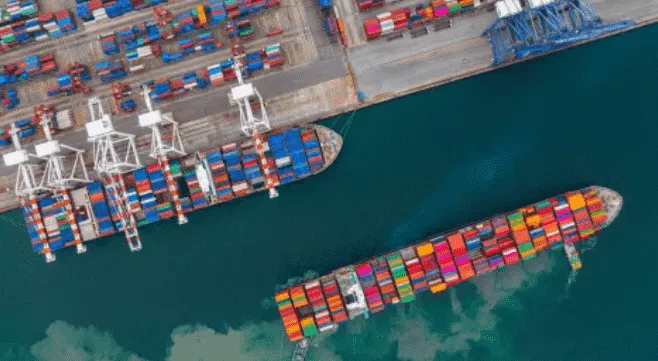
Recently, the United Nations Conference on Trade and Development (UNCTAD) published an article stating that unprecedented disruptions in major shipping routes such as the Red Sea, Suez Canal and Panama Canal, coupled with rising operating costs, have led to rising shipping costs.
For the fresh fruit industry, it is not just cost pressures. Fresh fruit products have higher requirements for timeliness, and the extended transportation time caused by route disruptions has an impact on fruit quality, delivery and sales. If ship congestion causes delays in arrival, it may lead to a shortage of market supply, and the simultaneous arrival of ships will also affect the balance of supply and demand, leading to a sharp drop in market prices.
In the face of various impacts brought about by shipping instability, the first to bear the brunt is still rising costs.
Shipping costs soared in 2024 due to ship diversions, port congestion and rising operating costs. By mid-2024, the Shanghai Export Containerized Freight Index (SCFI) has more than doubled from the end of 2023. The latest data shows that as of October 18, 2024, the SCFI is 45% lower than its 2024 high and 60% lower than the record level during the COVID-19 pandemic. However, it is still 115% higher than the pre-pandemic average and more than double the 2023 average.
In addition, the latest Intra-Asia Container Freight Index (IACI) by Drewry, a shipping research and consulting firm, shows that the weighted average of regional spot container freight rates has risen 15% to $573/FEU (40-foot container) in the past two weeks. This is the first increase after six consecutive weeks of decline since mid-July. Drewry expects this upward trend to continue in November due to the peak of freight before Christmas.