
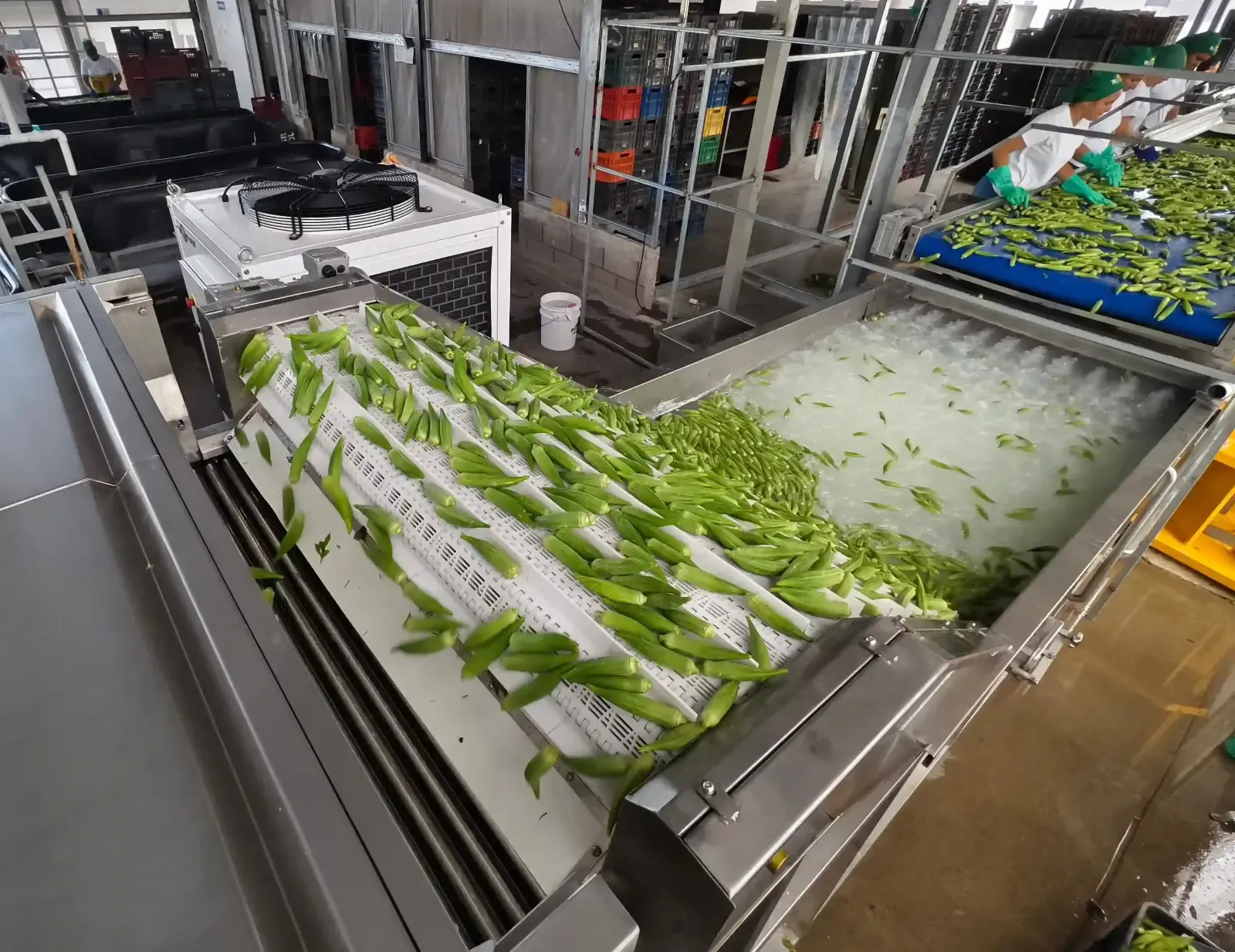
Given Honduras' huge okra market, we built a line with wash, disinfect, autofill, coldstore, and soft plates to protect. After a month together, we built a close friendship with the client.
Country / Region
Honduras
Fruit / Material
Okra
Capacity
2 t/h
Equipment Configuration
Bubble washing tank, manual inspection table, disinfection tank & pre-cooling equipment, pH‑controlled dosing system, 7‑outlet diversion filling machine, and integrated weighing & conveying systems
Okra Processing & Packaging Line in Honduras: An End‑to‑End Automated Solution from Washing to Cold Storage
Honduras is a major agricultural country in Central America. Okra, as a high‑value export vegetable, has seen steady growth in shipments to North American and European markets in recent years. The country currently exports around 200 tonnes of okra per week, equivalent to 10 containers, mainly destined for Spain, Portugal, France, the UK and Italy. Honduras has become a leading exporter of vegetables in Central America, with total vegetable exports rising from 140,000 to 146,000 metric tonnes, and production of oriental vegetables such as okra is expanding rapidly.
Against this promising market backdrop, local large‑scale agricultural processing enterprises face serious challenges:
· okra has a delicate skin and requires multiple post‑harvest steps – washing, disinfection, sorting, weighing and packaging – each of which directly affects shelf life and export grade
· traditional manual processing is labour‑intensive, inefficient, and inconsistent in hygiene
· international buyers impose strict standards on appearance, size, weight and packaging
· the compact layout of the factory demands equipment that is both integrated and space‑saving
It is under these circumstances that our client – a major agricultural exporter in Honduras – chose to partner with us. From the initial contact to the design phase, they showed full confidence in our professional expertise. We custom‑designed a fully automatic continuous processing and packaging line for okra, with an inner width of 1200 mm. The entire line forms a closed‑loop operation, eliminating manual transfer between stations and minimising product damage.
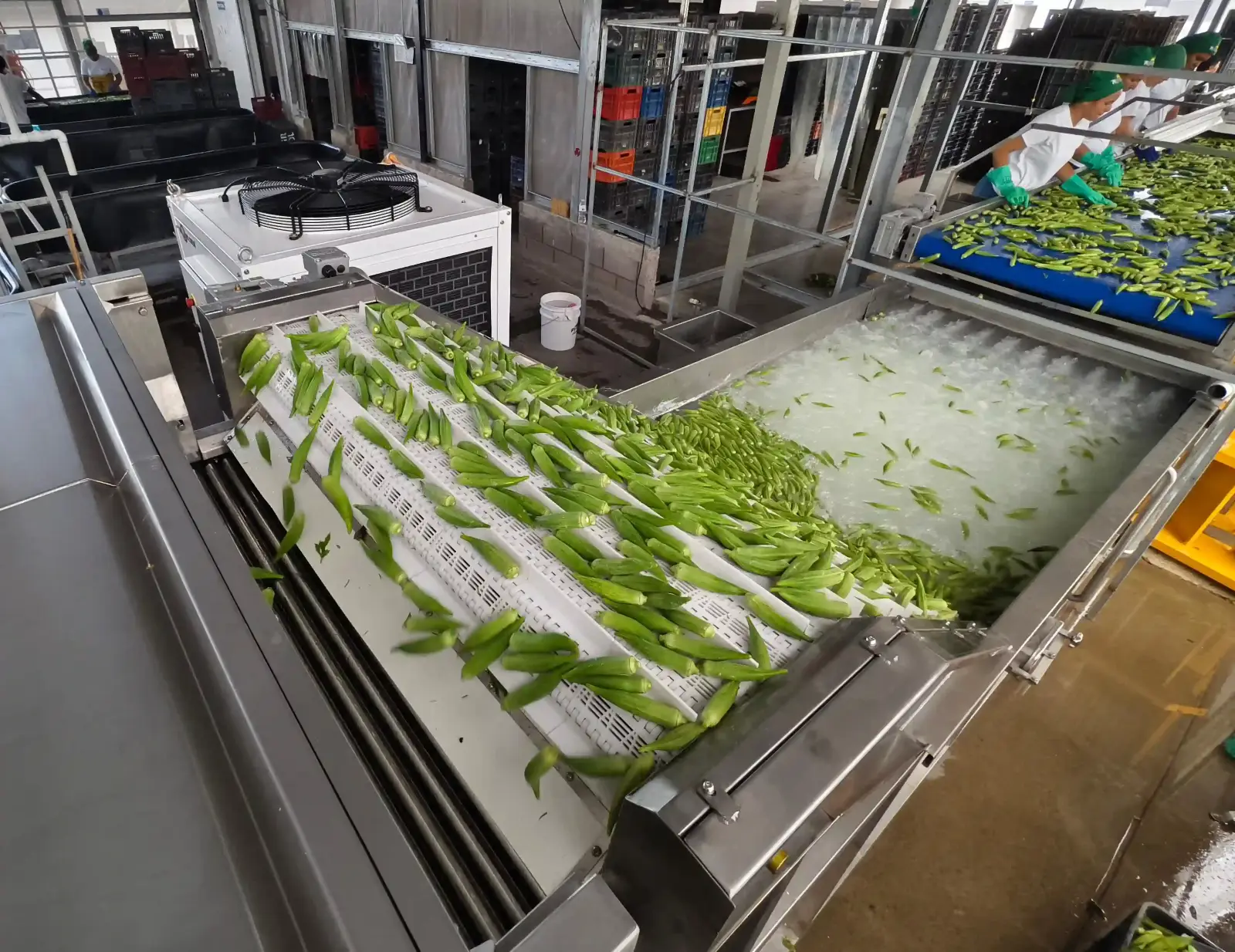
1. High‑Efficiency Bubble Washing – Thorough Removal of Field Impurities
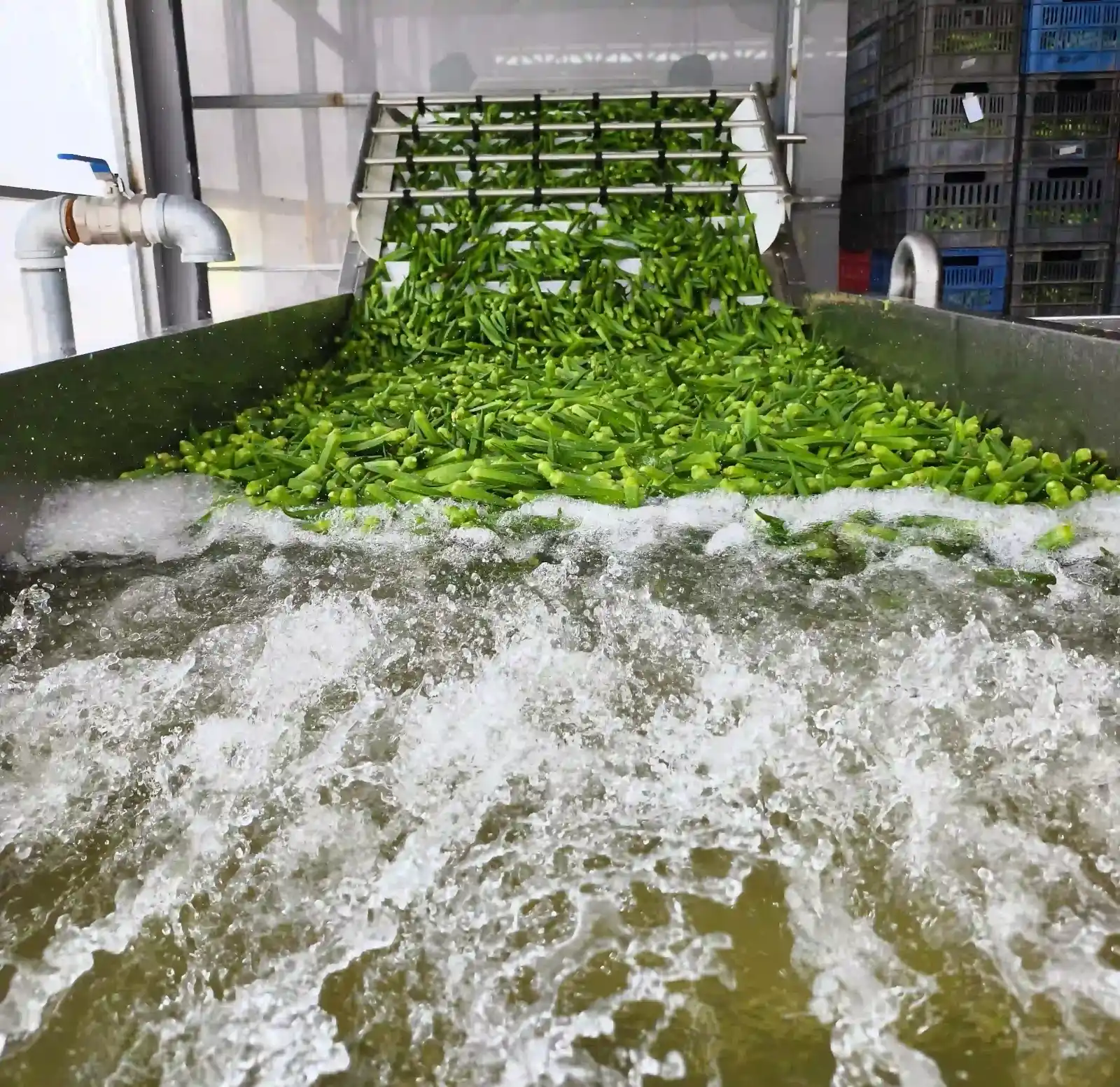
The washing tank is made of high‑grade 304 stainless steel, with robust wall thickness and frame. Equipped with powerful bubble generators and high‑pressure stainless steel nozzles, it uses intensive bubbles and water sprays to clean okra surfaces thoroughly, removing mud and field residues. The conveyor speed is infinitely adjustable to suit different varieties and maturity levels. Overhead water sprays further enhance cleaning performance.
2. Manual Inspection & Reject Removal – Leveraging Local Labor Advantages
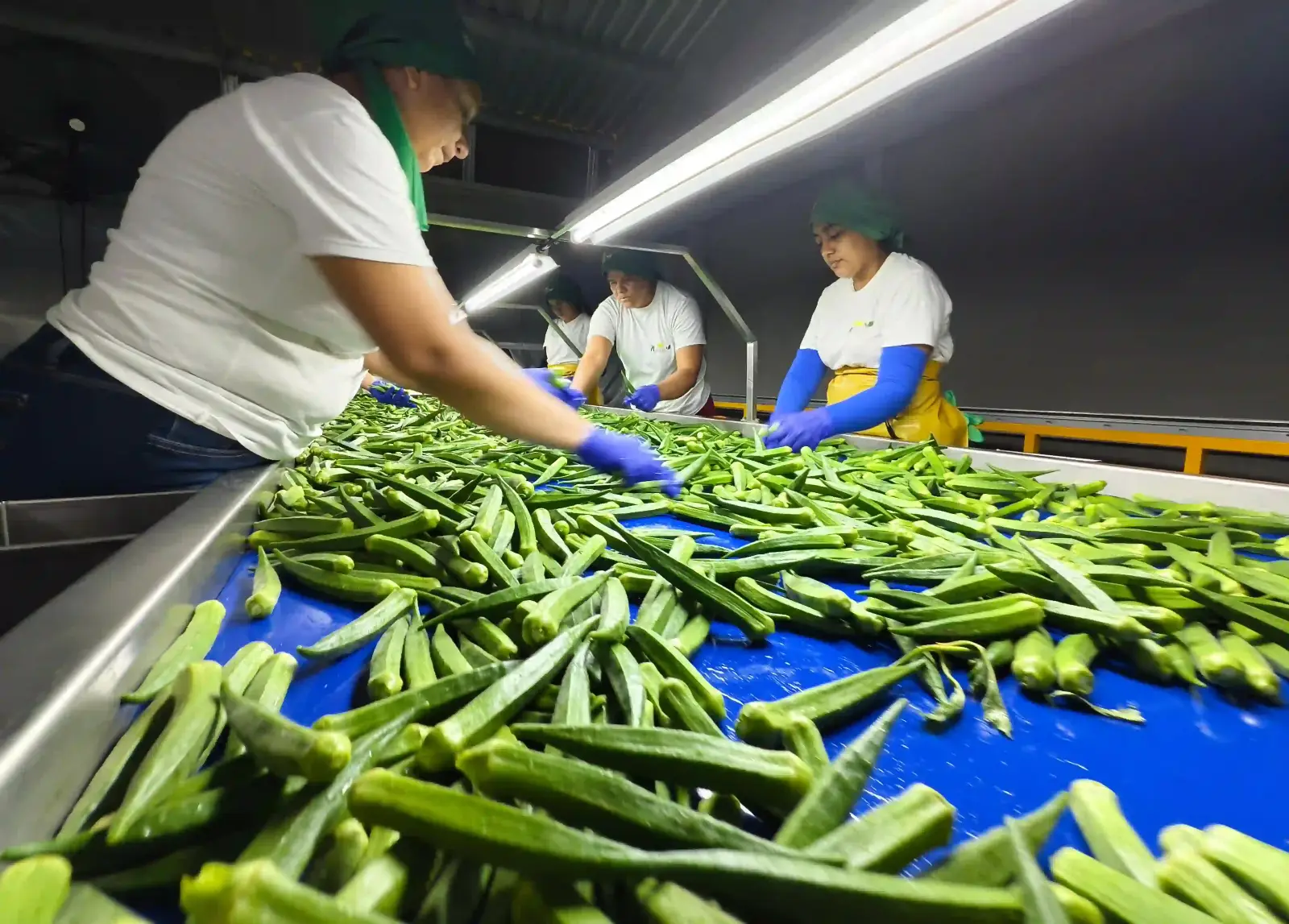
After washing, okra moves directly onto the manual inspection table, which features a PVC conveyor belt. Working platforms and stairs on both sides provide comfortable ergonomics. An independent reject collection conveyor underneath allows workers to quickly separate soft fruits, blemished ones, leaves and other defects. Professional lighting and adjustable speed create an ideal working environment. This design follows our proven global approach – in regions with abundant labor, manual inspection offers better ROI than fully automated optical sorting.
3. Disinfection, Pre‑cooling and Intelligent Dosing – Ensuring Food Safety and Shelf Life
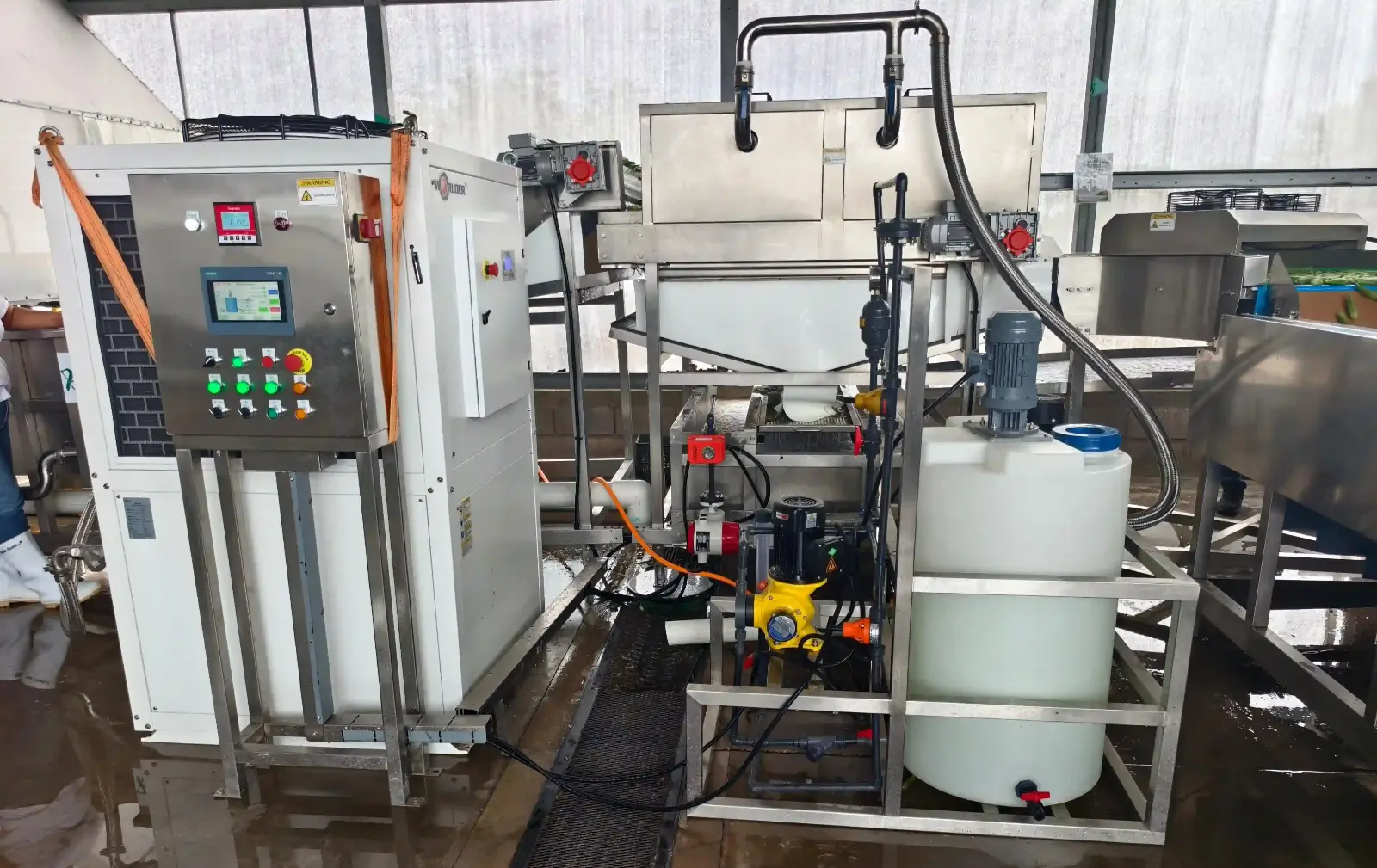
The disinfection tank is also constructed from 304 stainless steel, with its own bubble system. The integrated pH‑controlled dosing unit automatically adjusts chemical dosage based on real‑time pH changes, ensuring stable and reliable disinfection.This system can be widely used in power plant dosing, acid addition, wastewater treatment, feedwater treatment, and steel mill water treatment. It features comprehensive functionality, advanced technology, a high degree of automation, and ease of operation – supporting both manual and automatic modes, and is easy to install and maintain.
4. Waterfall Insecticide Design – Double Drainage Circulation for Full Protection
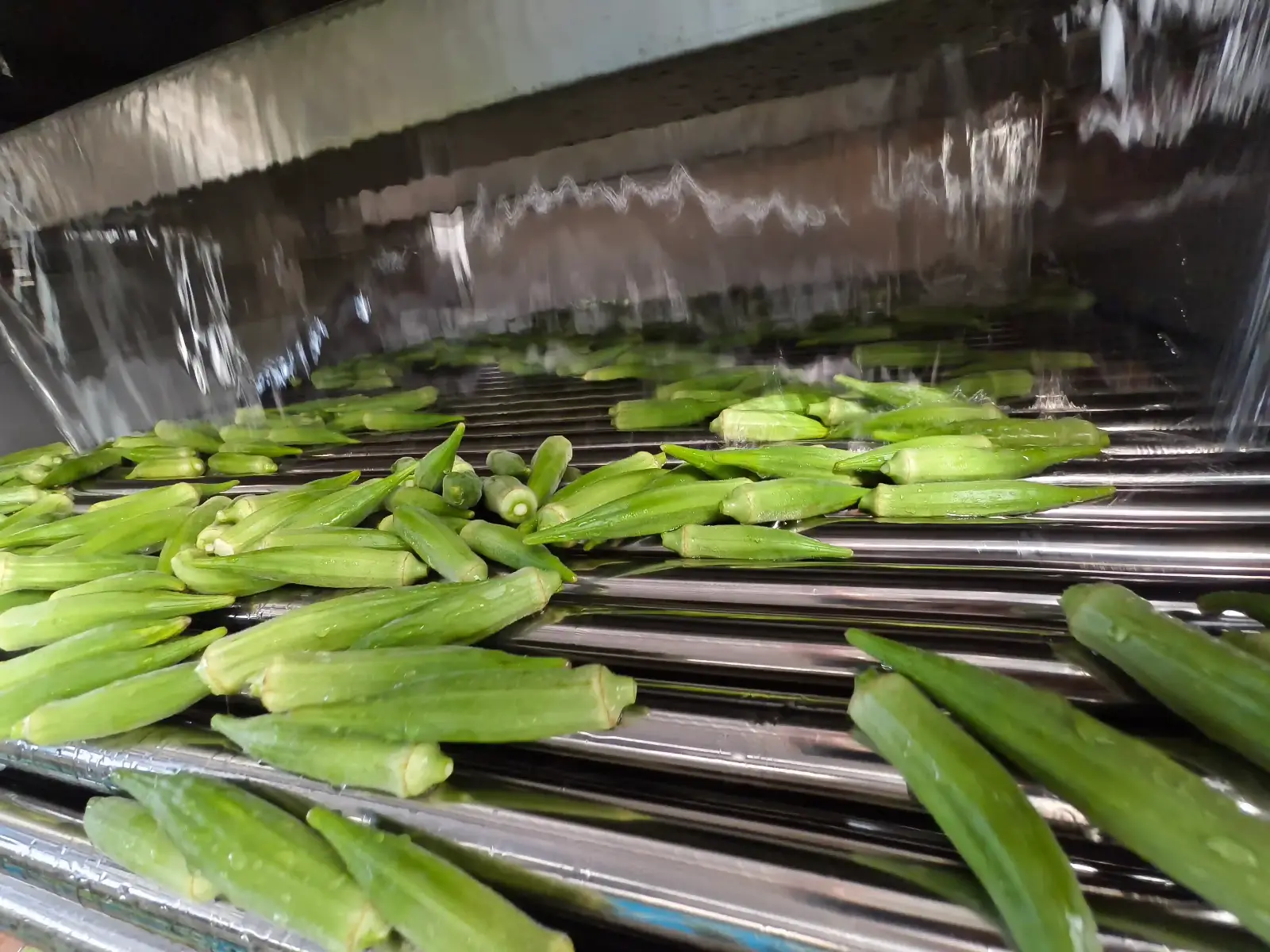
In addition to disinfection, we have specially designed a waterfall‑type insecticide device with a double drainage circulation system. As okra passes along the conveyor, it moves through a waterfall‑style chemical curtain, achieving comprehensive insecticidal protection. The double drainage circulation ensures that the chemical solution is continuously reused while maintaining an effective concentration, saving chemical consumption and guaranteeing stable insecticidal performance. This design effectively kills pathogens while protecting the delicate okra skin from damage. All critical contact parts are made of corrosion‑resistant materials.
5. Curved Conveyor – Food‑Grade Flexible Connection for Smooth Running, No Damage
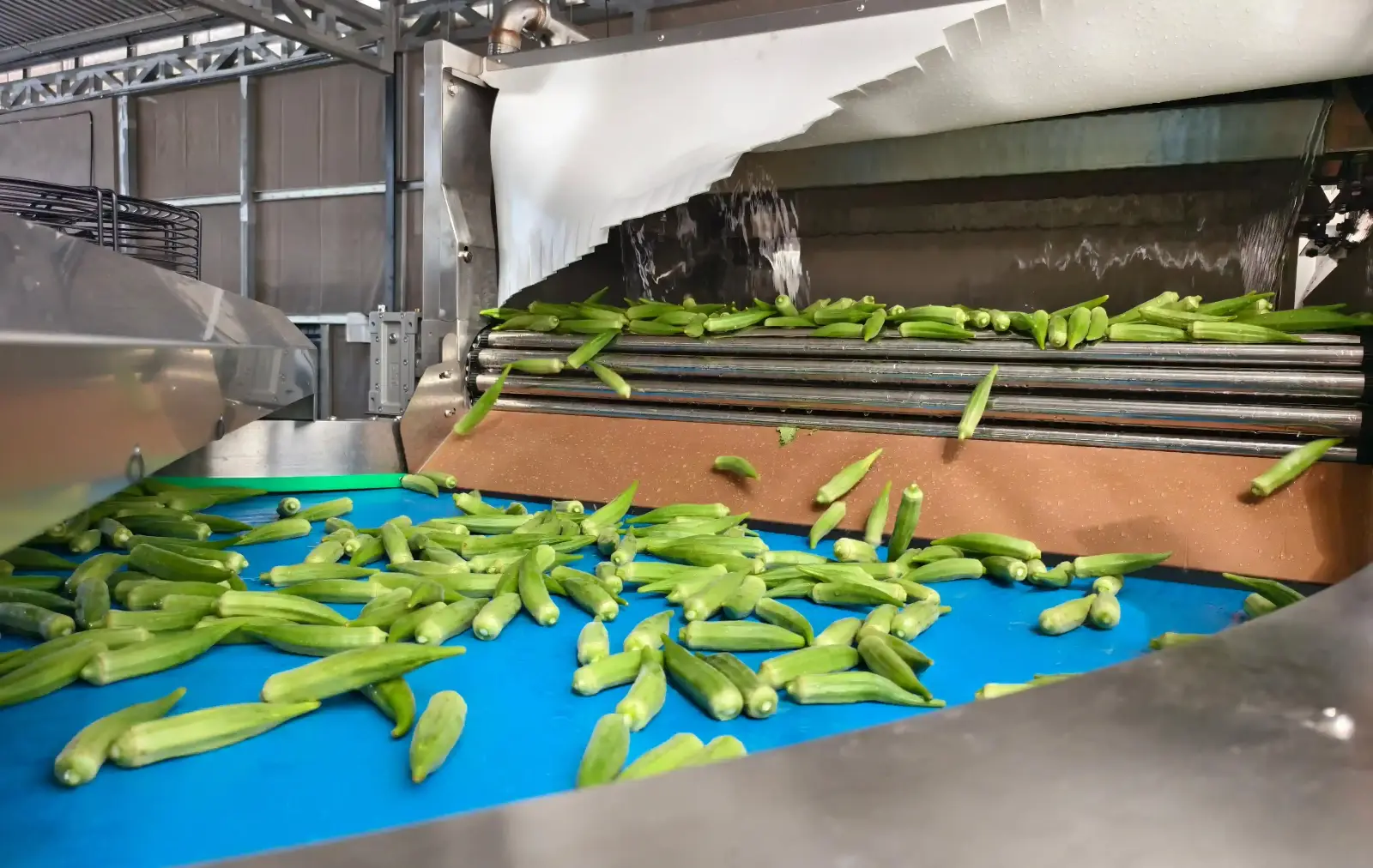
After disinfection and insecticide treatment, okra is smoothly transferred to the next stage via a curved conveyor. The conveyor has an inner width of 1200 mm, uses a YongLi PVC belt, with power 0.37 kW and adjustable speed.
Notably, all connecting plates on our machines are made of food‑grade flexible materials. This detail, though seemingly simple, is crucial – the soft connecting plates act as a buffer when okra transitions from one belt to another, preventing skin scratches and extrusion damage that hard connections might cause. The food‑grade material ensures direct contact safety, and the flexible nature ensures smooth operation – together they maximise the integrity and commercial value of the okra.
6. Precise Weighing & Automated Filling – Consistent Export Packaging Specifications
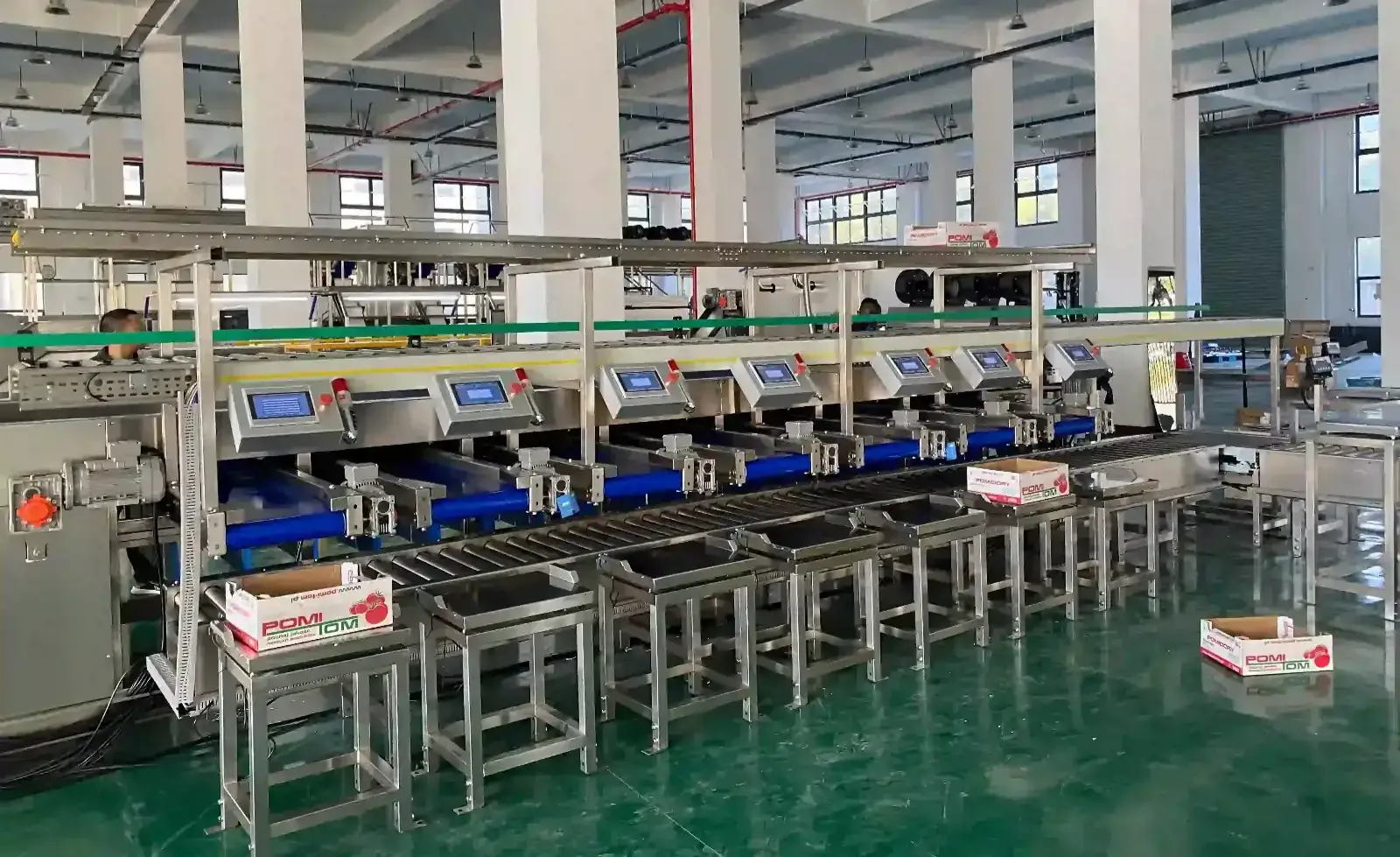
The line features multiple filling outlets and independent scales, one per outlet. Empty baskets are supplied via roller conveyor – workers take a basket and place it on the scale. A photoelectric sensor detects the basket and starts the filling belt, which stops automatically when the preset weight is reached. Once the filled basket is pushed onto powered rollers, the next empty basket triggers a new cycle. Filling weight is set conveniently via touchscreen, accommodating various export market requirements. All food‑contact parts in the filling section are made of food‑grade materials.
7. Complete Material Flow System – Efficient Connection in a Compact Layout
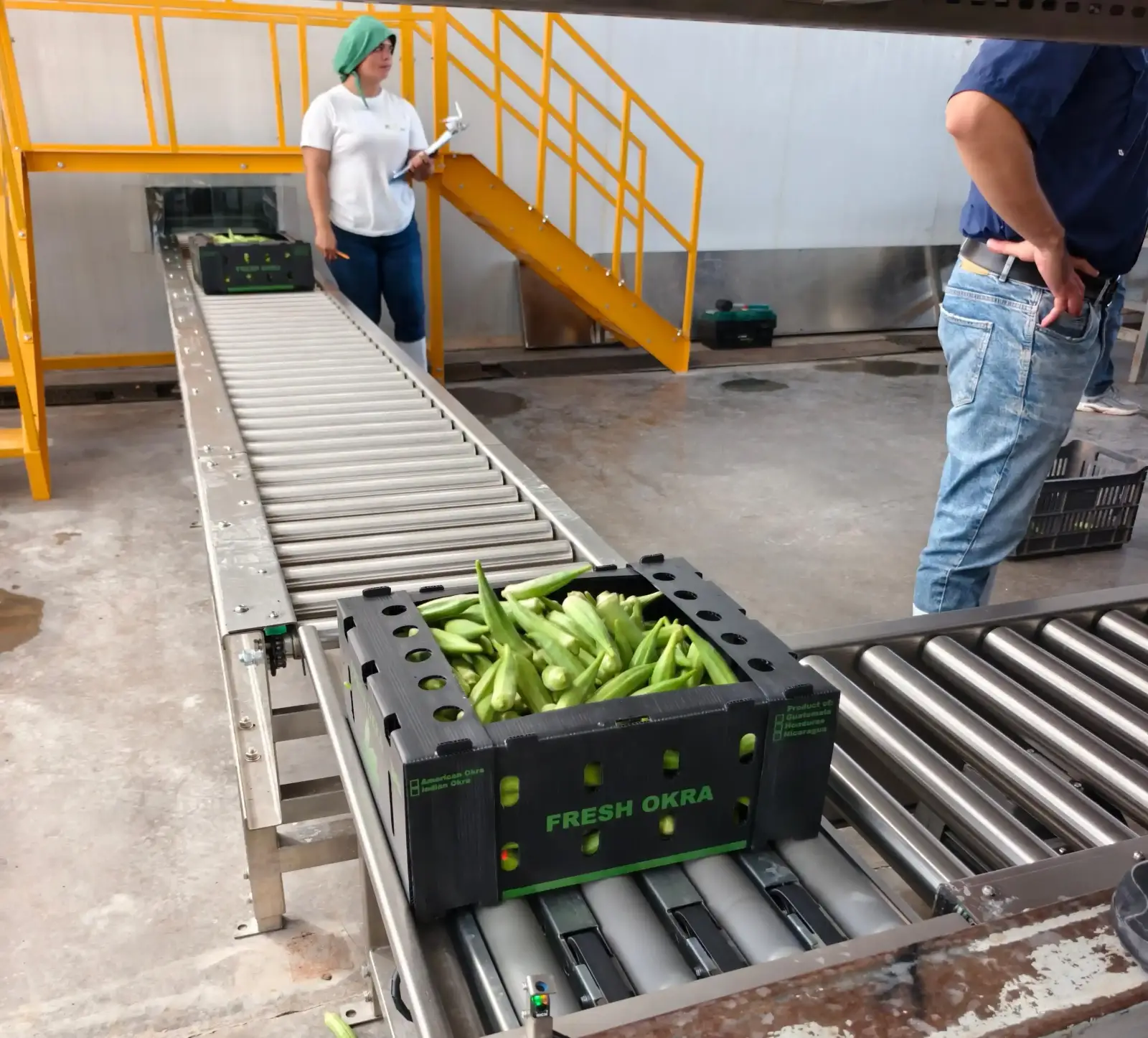
From empty crate supply to full‑crate conveying, the line is equipped with comprehensive material handling equipment. The curved conveyor and corner transfer conveyor connect each section smoothly, ensuring efficient and uninterrupted operation within the limited factory space.
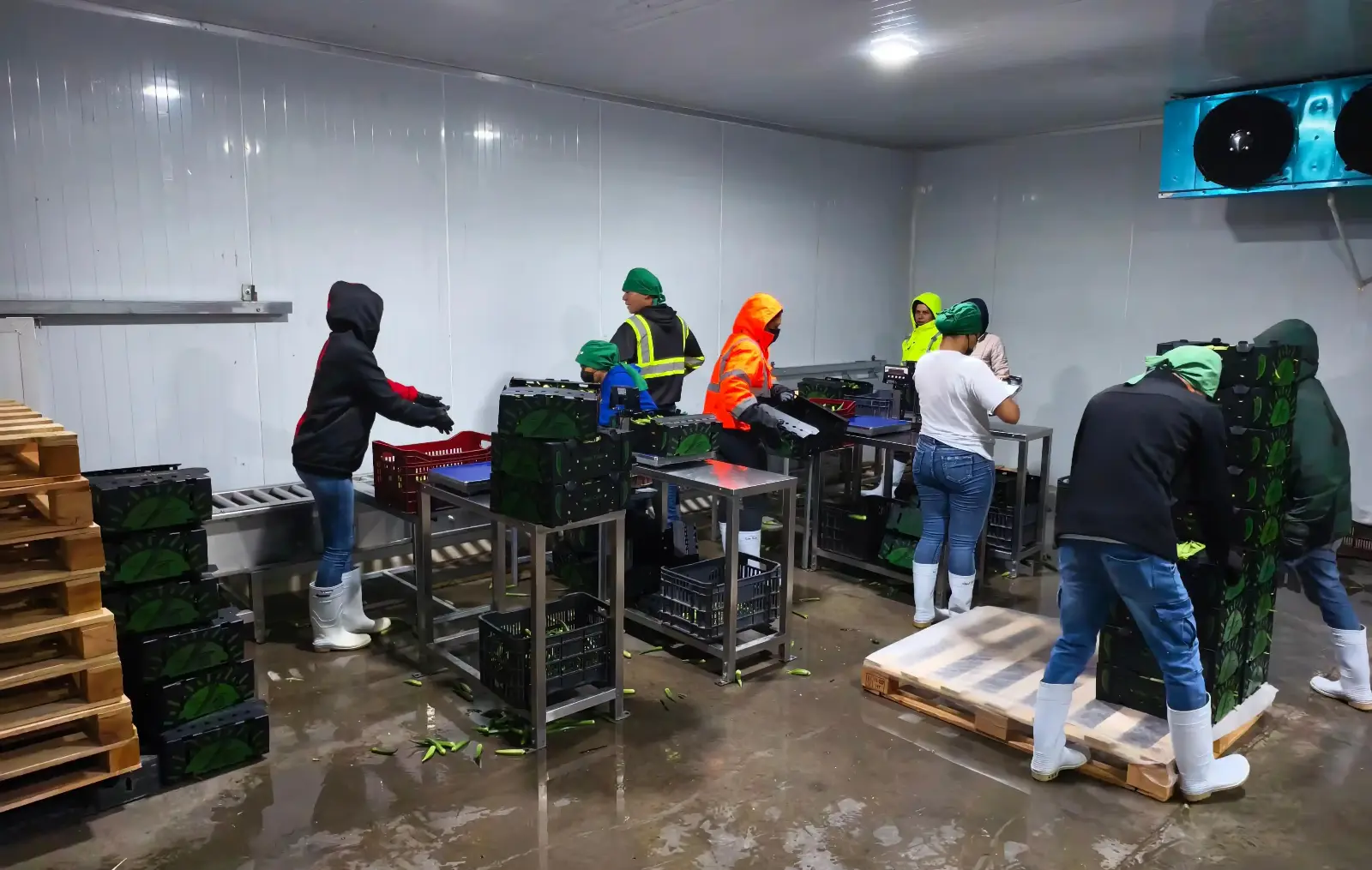
After filling, the okra crates are placed onto powered roller conveyors that are directly connected to the cold storage room. The loaded crates move automatically along the powered rollers into the cold storage environment, where workers carry out final inspection and label application. This design ensures a seamless transition from packaging to cold chain – no manual handling, no temporary outdoor storage – minimising the time products spend at ambient temperature, thus effectively preserving freshness and extending shelf life.
On‑site Installation & Commissioning
Our engineering team is currently on site in Honduras overseeing the installation and commissioning. All equipment underwent continuous trial runs before shipment to ensure quick start‑up after installation.
The installation process was filled with memorable moments. Our team spent considerable time at the cold storage room, carefully considering how to align the powered roller conveyor perfectly with the door opening and internal layout – ensuring smooth material flow while minimising cold air leakage. We measured, adjusted and re‑designed until we achieved a seamless integration with the cold room.
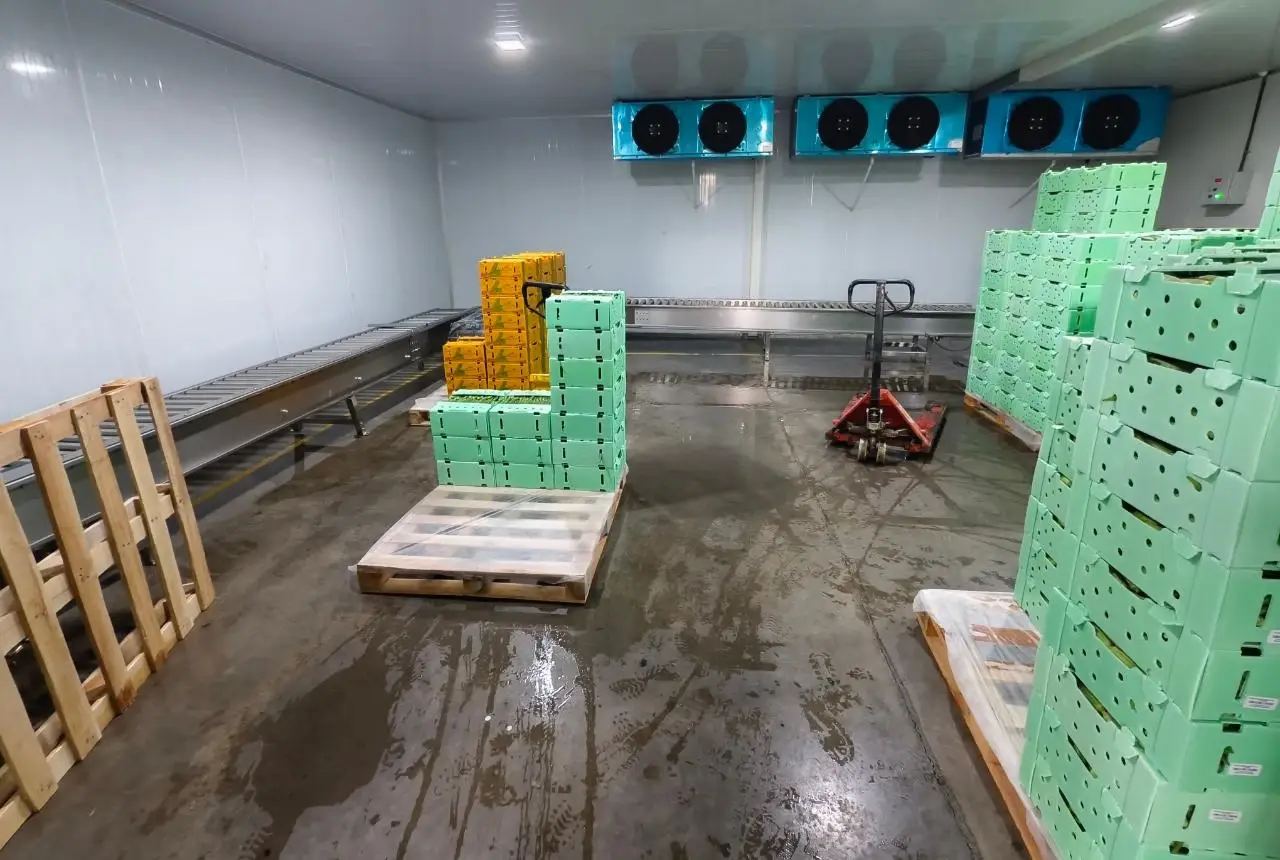
The installation period coincided with Honduras' rainy season. Heavy rain fell almost daily, but our team remained undeterred – we showed up at the factory every single day to oversee the installation progress and equipment commissioning, often working extra hours to keep the project on track. The weather never stopped us, and this dedication left a deep impression on the client.

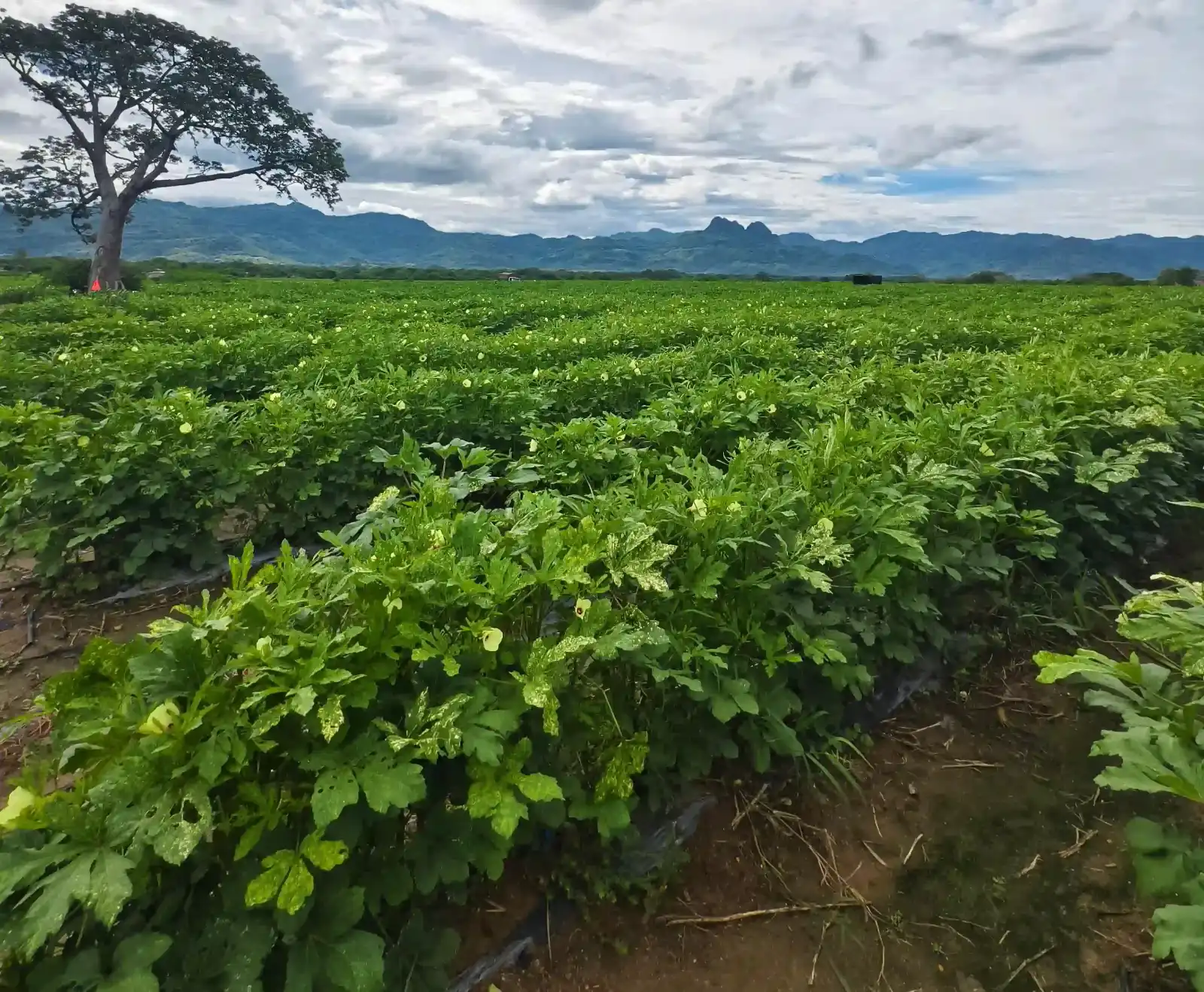
Our client's trust in us went beyond just work performance. During a break, they warmly invited our team to visit their okra plantation. In the vast fields, we witnessed the entire journey of okra – from the farm to our processing line – which gave us a deeper understanding of their commitment to quality and also forged a bond that transcended ordinary business cooperation.
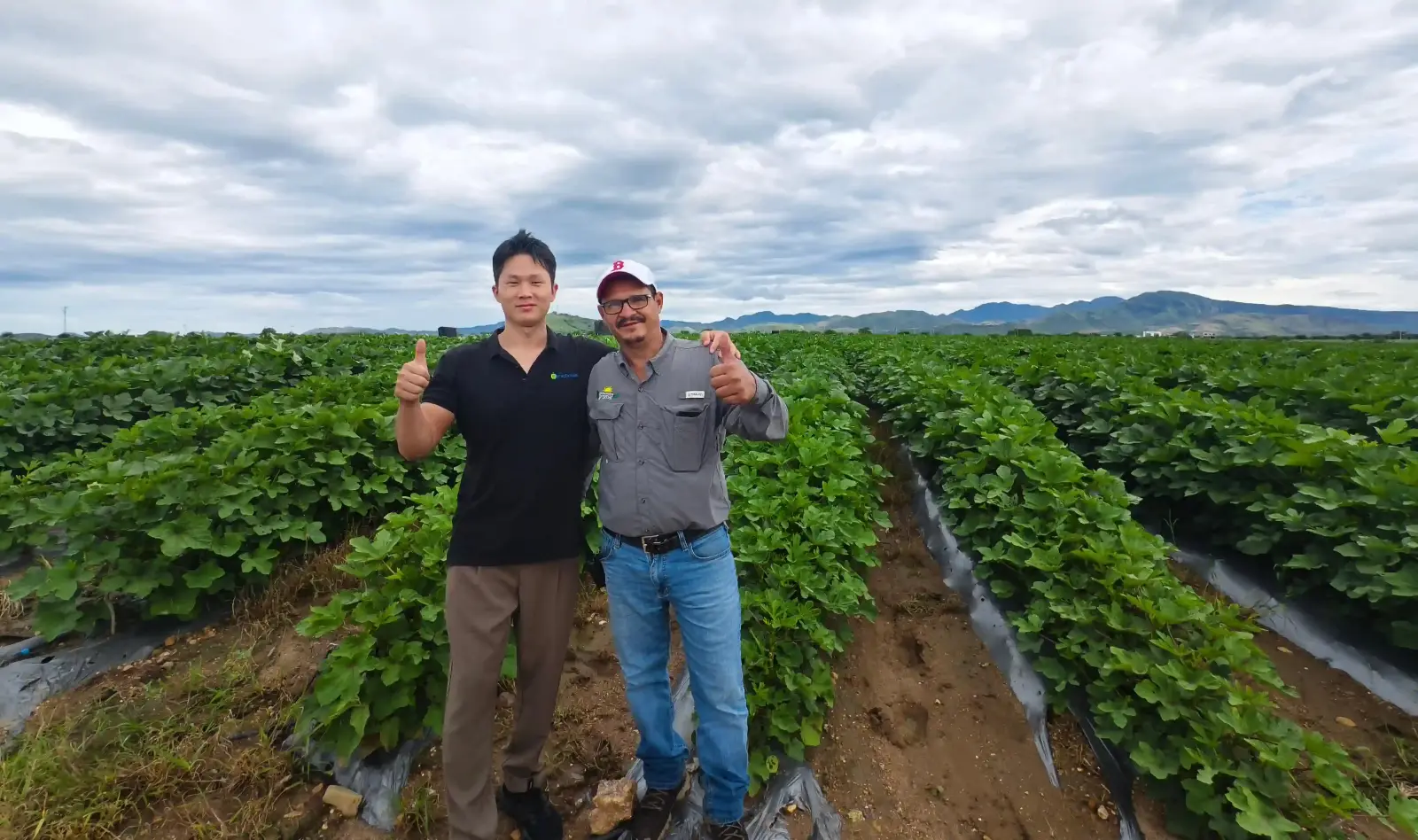
The entire installation went smoothly and pleasantly. From equipment positioning, piping connections, electrical wiring, to control system integration, every step followed standardised procedures. Our engineers also provided comprehensive training to local operators, covering machine operation, routine maintenance and troubleshooting, ensuring the line can run stably and efficiently.
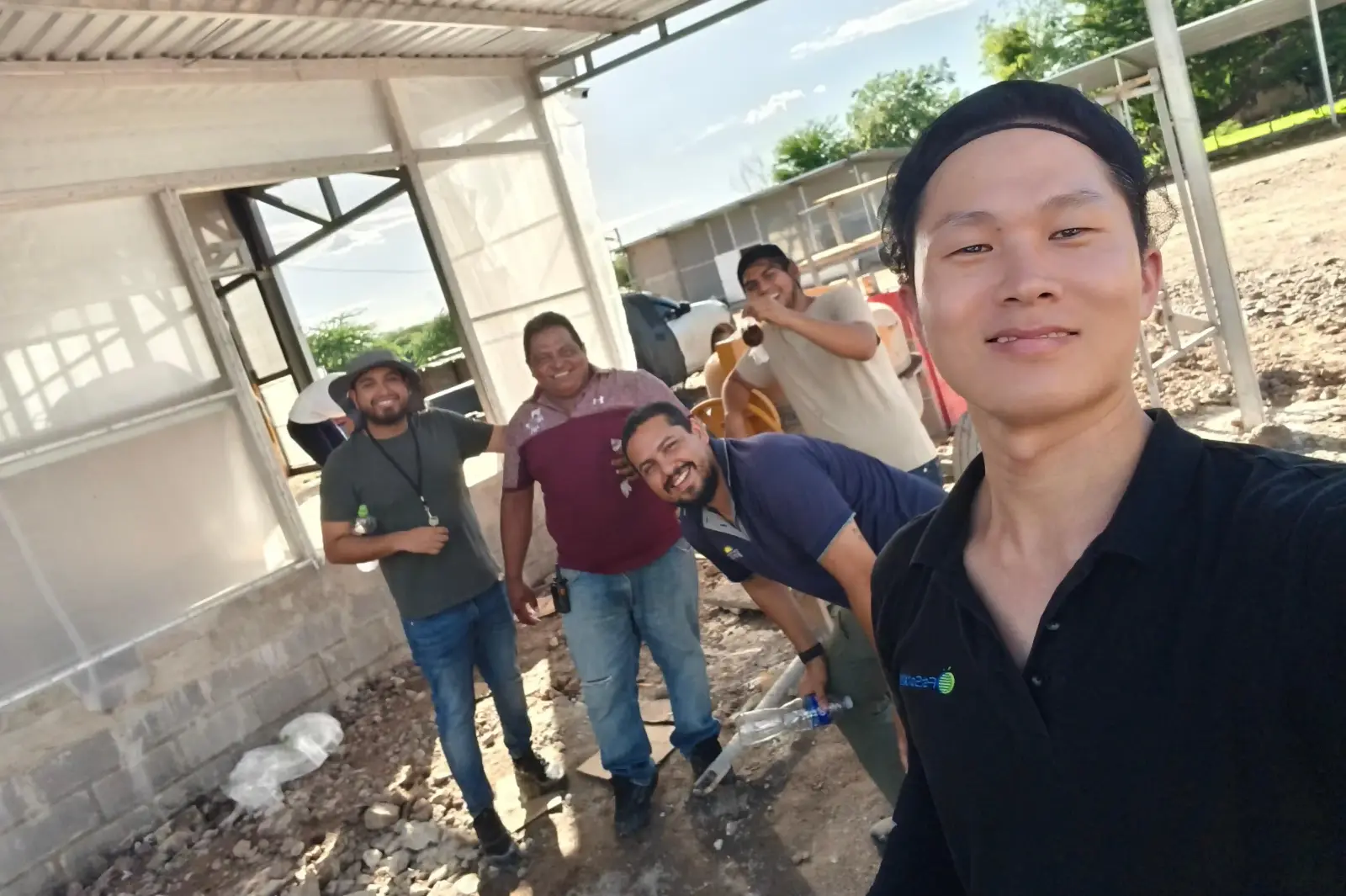
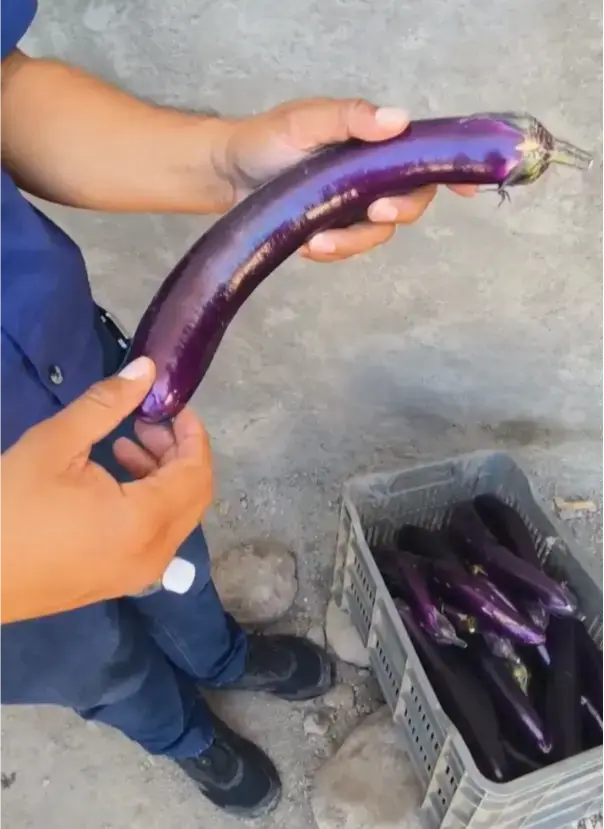
During nearly a month of working side by side, we evolved from simple business partners into close friends, building a genuine bond of mutual trust and goodwill.The client highly appreciated our professionalism and service attitude, and they clearly expressed a strong desire to continue working with us on future projects – in particular, they are planning to introduce processing equipment for eggplants, and they are inclined to partner with us again.This trust is the greatest recognition of our team.
Technical Specifications
Parameter | Specification |
|---|---|
Line inner width | 1200 mm |
Washing tank size | 5000 × 1500 × 1450 mm |
Disinfection tank size | 4300 × 1500 × 1750 mm |
Inspection table length | 4000 mm |
Filling outlets | 7 |
Total conveyor lengths | Empty boxes 5m + Full boxes 6m (carbon steel frame/201SS contact) + Crates 7m + Balance 5m + Stacking 5.5m |
Customer Value
The completed okra automated processing and packaging line delivers significant overall benefits:
1. Substantially higher throughput – Full automation from washing to packaging multiplies output per unit time compared with traditional manual methods.
2. Consistent export quality – Precise washing/disinfection control and automated weighing/filling ensure uniformity and traceability in hygiene and packaging specifications for every batch.
3. Optimized operating costs – Automating repetitive manual tasks alleviates seasonal labor shortages and reduces workforce management expenses.
4. Maximized space utilization – The compact linear layout fits perfectly within the existing plant, leaving ample room for forklift movement and packaging material storage.
Customized Processing Solutions
Looking for an efficient processing system that fits your budget and plant space? Our team specializes in designing cost‑effective fruit and vegetable processing and packaging lines for growers and processors worldwide. From pre‑sales sample testing and 3D plant layout design to equipment manufacturing and global installation support, Fstsort provides complete end‑to‑end service.